
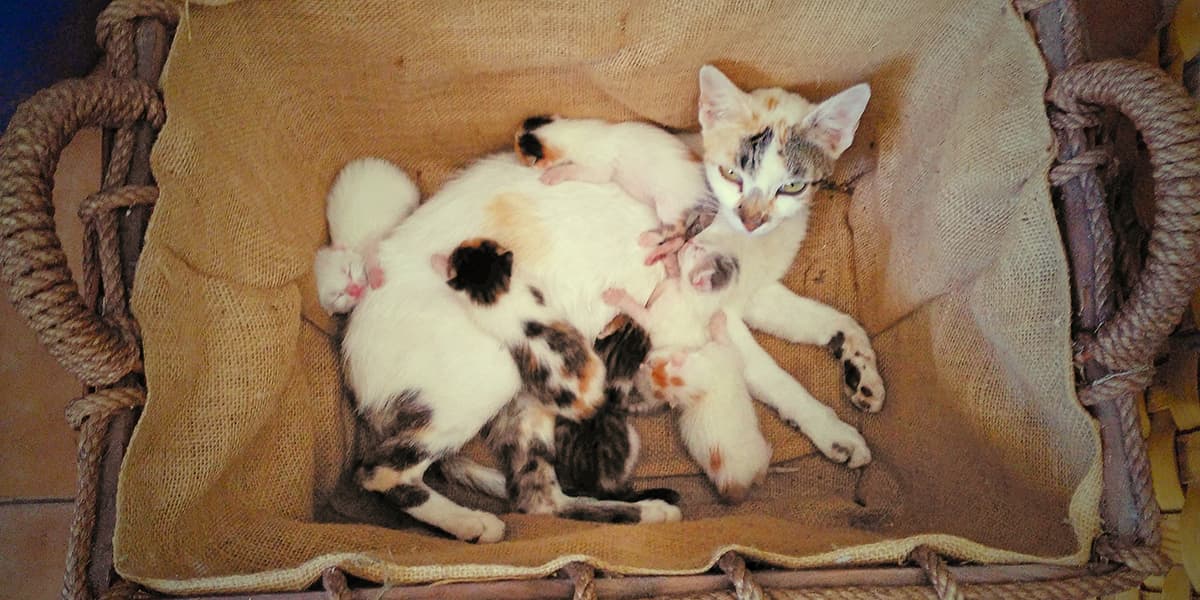
Responsible pet owners should have a veterinarian spay or neuter animals to prevent reproduction and future health problems. If your feline friend has a litter of kittens and you want to prevent her from birthing more, you might be wondering, “When can I get my cat spayed after having kittens?” This guide explores the proper timeline for spaying female cats after they give birth to a litter.
Why Is Spaying Your Cat Important?
Before we dive into the timeline of post-partum spaying, it’s important to understand the benefits of this procedure. Because spaying a cat isn’t an emergency, life-or-death procedure, some pet owners may push it off or disregard it entirely. In reality, spaying offers several benefits for you and your furry companion.
The major advantages include:
- Reduced cancer risks: Unaltered cats may be more prone to developing certain cancers, which could lead to more vet visits and potentially a shorter lifespan.
- Fewer uterine issues: Spaying involves removing a female cat’s ovaries and uterus. The procedure eliminates the risk of pyometra, a serious uterine infection, and similar conditions.
- Population control: Letting your cat have multiple litters can lead to overpopulation. Keep it under control by scheduling this important veterinary procedure.
- Greater quality of life: Spayed cats can live fuller, healthier lives than their unfixed counterparts. Their improved quality of life will give you peace of mind, too.
Factors That Influence the Post-Partum Spaying Timeline
If you ask a veterinarian, “When can I get my cat spayed after having kittens?” they’ll tell you the answer depends on a few key factors. The recommended timeline is typically about six to eight weeks after the cat gives birth. However, the following issues may affect when you can schedule the procedure.
The Cat’s Age
Experts won’t perform this surgery on cats unless they are in good health. Older cats could have more health issues that veterinarians must address before they spay the animal. A 2-year-old tabby may heal from birth fairly quickly and have no underlying health problems, whereas an 8-year-old cat could have certain infections or allergies that take precedence.
Complications During Birth
Unexpected issues may occur during birth. Even if the litter arrives safely, small complications affecting the mother could require a longer veterinary recovery period. Instead of a standard six- to eight-week timeline, the cat may need longer to recover from the birth.
Allow ample time for the animal’s reproductive cycle to return to normal following birth. You may notice your kitty has more energy once she makes a full recovery.
Where Kittens Are in the Weaning Process
“My kitty is fairly young and in good health. She also delivered her kittens without any issues. When can I get my cat spayed after having kittens?”
Although the mother may seem ready for the procedure, her kittens play a big role in the timeline. Newborn kittens rely on their mother for milk and nutrients for about four to six weeks. Eventually, they’ll wean away from nursing and start eating solid food so they can continue to grow.
The weaning period impacts when you can schedule your cat’s procedure. Some kittens may take six or more weeks before they start eating solid food, while others make the transition much earlier. Consult your vet about spaying the female cat once all of the kittens are eating on their own.
The Female Cat’s Heat Cycle
Did you know that female cats can go back into heat weeks after giving birth? Cats in heat are actively searching for a mate and are more likely to get pregnant. The heat cycle can also bring some unwanted behaviors, such as:
- Loud vocalizations
- Spraying
- Restlessness
Thankfully, spaying your pet puts an end to her heat cycles. Ask a professional, “When can I get my cat spayed after having kittens?” and they’ll tell you to monitor her post-partum.
Once she makes a full recovery from giving birth and the kittens are eating on their own, you should act quickly to prevent her from going into heat. There’s an increased risk of another pregnancy if you wait too long to spay and let the heat cycle continue.
If you suspect your cat is about to go into heat, contain her indoors, offer plenty of affection, and avoid punishing her for any unwanted hormonal responses. Contact your vet for more tips and inquire about spaying the cat before her next heat cycle.
What To Expect Before, During, and After Your Cat’s Procedure
Veterinarians perform spay and neuter surgeries all the time. However, pet owners may not always be familiar with the process.
Before scheduling this procedure, bring your cat for a routine examination to rule out any health issues. Try to keep the animal’s environment as calm and relaxing as possible leading up to the surgery. You may need to limit her food and water intake the night before the procedure, too.
A typical spay surgery doesn’t take long. The cat will be under veterinary dental anesthesia and won’t feel any pain while the veterinarian removes the ovaries and uterus. Veterinary teams will also monitor her immediate recovery before letting you take her home.
Once your cat returns home after surgery, it’s crucial to keep her calm and relaxed. Stressed cats may not heal as quickly, so eliminate any triggering stimuli. She will likely need to wear a cone collar for a few days while the incision site heals.
Consult a Veterinarian About Your Cat’s Health
When can I get my cat spayed after having kittens? How can I help a new kitten grow to their full potential and keep them healthy? These are just some of the many questions we at Hudson Animal Hospital hear from pet owners.
Trust our veterinary team to keep your furry friend in good hands. Whether you’re looking to provide a kitten with the proper care, spay a young cat, or keep an aging feline healthy, we’ll help you every step of the way. Contact our Manhattan-based team at (212) 706-4088 to request an appointment.