
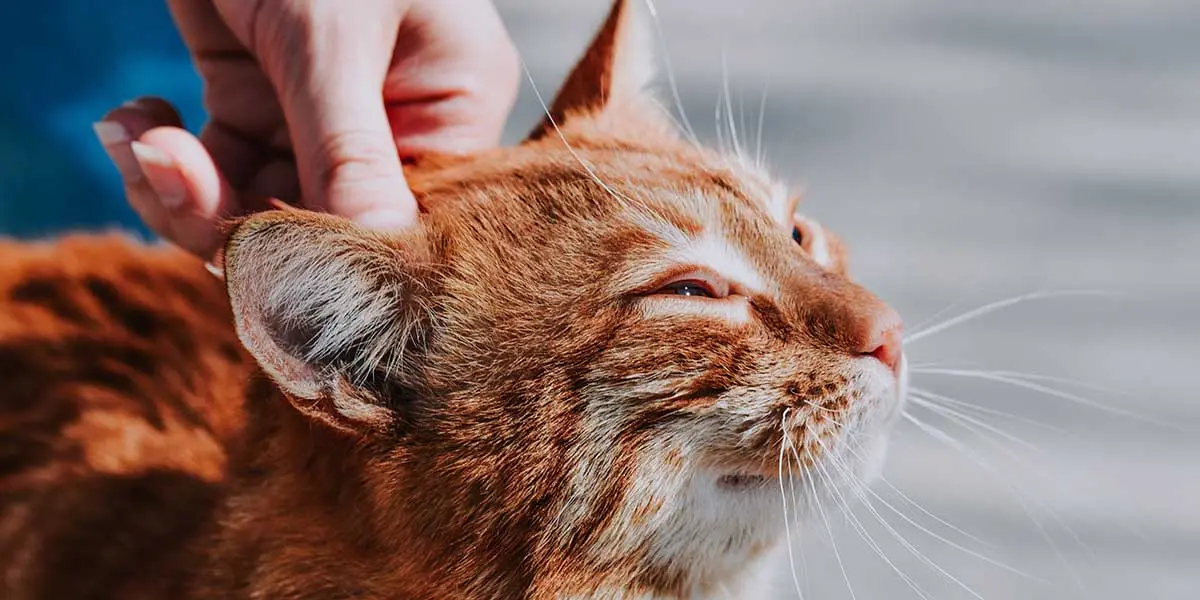
A cat that keeps pawing at one ear or shaking its head is trying to tell you something. The tricky part is figuring out what’s bothering it.
Ear mites and ear infections can cause many of the same symptoms, yet they’re different problems that need different treatment. A visit to a veterinarian in Manhattan can clear up the mystery, but knowing the basics of ear mites versus ear infections helps pet owners recognize when something isn’t right.
Ear Mites and Ear Infections Have Similar Symptoms
Cats can be pretty good at disguising their discomfort when something hurts. An itchy, uncomfortable ear is harder to hide. You might notice your cat scratching more than usual or shaking its head. There may be discharge, too, and the ear might suddenly be sensitive to touch.
The problem is that none of those signs point neatly to one cause. Mites and infections can look surprisingly similar at first glance.
What Happens When a Cat Has Ear Mites?
You probably won’t look into your cat’s ear and immediately see mites moving around. These parasites are extremely small and make themselves at home inside the ear canal. There’s a better chance that you’ll notice the mess they leave behind.
Dark ear discharge or debris is the most obvious visual clue that your cat has ear mites. It may be black or brown and can look dry and crumbly, similar to coffee grounds. Cats with mites are typically quite itchy, too. A cat may scratch so much that sores, scabs, or hair loss develop around the ears.
Mites can also spread among pets. Close contact allows them to move from one animal to another.
What Does an Ear Infection Look Like?
An ear infection causes ear inflammation (otitis) and may involve bacterial or yeast overgrowth. The ear canal may look red or swollen. Discharge is also possible, though it may look wetter than the crumbly debris often associated with mites. An unpleasant odor can also accompany an infection.
Behavior offers another clue. When a cat shakes its head, mites aren’t automatically to blame. Cats with ear infections may shake their heads as well. They may also pull away or flinch when someone tries to touch the infected ear.
That distinction matters when considering ear mites versus ear infection. Mites tend to cause considerable itching, while an infection may produce more noticeable pain and ear inflammation.
Where Do Ear Mites and Ear Infections Come From?
So, how does a cat wind up with mites in the first place? They don’t simply appear out of nowhere.
Usually, another animal is involved. Close contact gives the parasites a chance to find a new host. Because mites can move from one host to another, they’re more common where cats spend time in close quarters. Kittens and cats that have recently been around unfamiliar animals may be at greater risk of exposure.
An infection is a different story. Your cat generally isn’t going to “catch” a bacterial or yeast ear infection from the dog or another cat. Instead, bacteria or yeast can multiply inside the ear when conditions allow them to become unbalanced. Inflammation, excess moisture, allergies, or another underlying ear problem may help create an environment where an infection develops.
And here’s where things get a little messy: a cat can wind up dealing with both problems. When mites irritate the ear canal, a cat may scratch constantly to get relief. That irritation and scratching can damage the delicate skin inside and around the ear, creating conditions that let bacteria or yeast take advantage. The result can be a secondary ear infection on top of the original mite problem.
This makes ear mites versus ear infection even harder to sort out at home. The discharge may change, the ear can become increasingly sore, and new symptoms may appear. What started as a parasite problem may no longer be the only issue that needs treatment.
Don’t Try To Diagnose an Ear Problem by Sight Alone
It’s tempting to see dark material in a cat’s ear and immediately assume mites are the problem. That’s not always a safe assumption. It’s better to make an appointment with the vet and have them take a look to confirm whether mites, an infection, or both are present. A veterinarian can examine the ear canal and test a sample of the debris or discharge to determine whether parasites, bacteria, or yeast are involved.
Treatment depends on what’s actually causing the problem, so home remedies or over-the-counter treatments for the wrong thing could cause additional problems.
Prompt attention can prevent a relatively straightforward ear problem from becoming more complicated. For example, untreated mites can lead to significant irritation, and vigorous scratching can injure the ear. An untreated infection can sometimes spread deeper into the ear, potentially causing hearing loss or balance problems.
Different Causes Call for Different Treatments
Once the cause is identified, treatment can target the actual problem.
Ear mites are generally treated with antiparasitic medication, sometimes along with appropriate cleaning to remove accumulated debris. Because mites can spread among pets, the veterinarian may also recommend steps to address possible exposure involving other animals in the household.
Ear infections are treated differently and may involve antibacterial or antifungal medication, depending on the cause. This is another reason guessing at home can backfire. Medication designed to kill mites won’t necessarily treat a bacterial or yeast infection.
Get Help With Your Cat’s Ear Problems From Hudson Animal Hospital
Occasional ear scratching isn’t necessarily cause for alarm. Repeated scratching and head shaking tell a different story. But because there’s no reliable way to tell whether your kitty has ear mites versus an ear infection, it’s best to schedule an appointment with your veterinarian for the right answer.
If your cat is showing signs of ear mites or has the red, sore look of an infection, call Hudson Animal Hospital at (212) 706-4088. Our team will find the cause and get your cat comfortable again.