
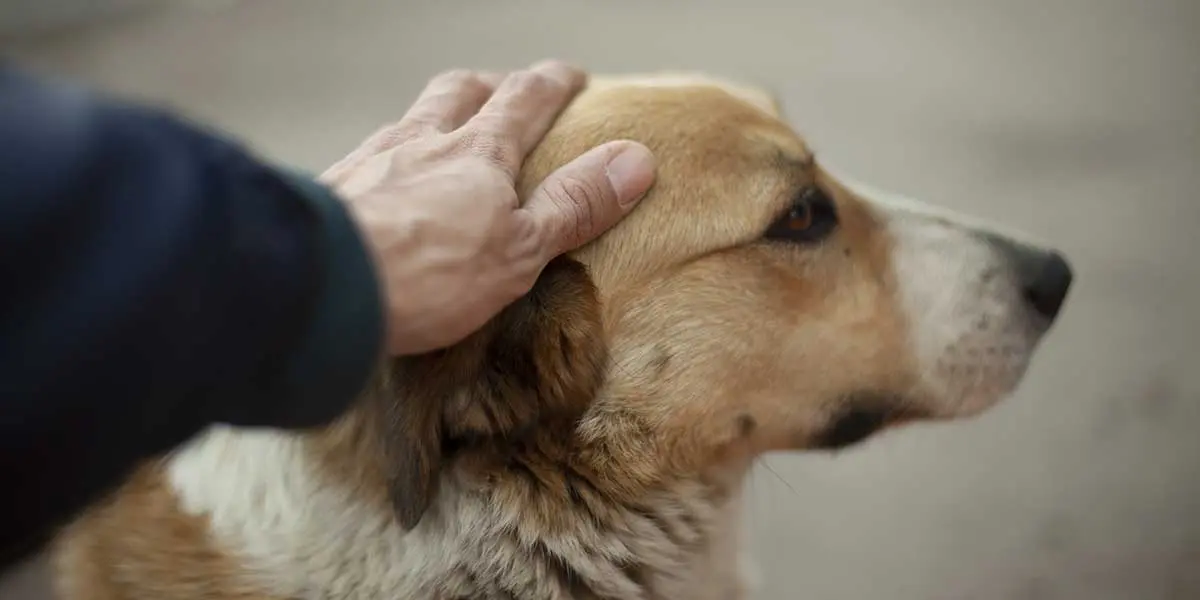
Few moments feel as gut-wrenching as realizing your dog or cat is missing, especially in a busy city filled with constant movement. An animal hospital in NYC can be a useful resource when a pet goes missing. For a lost pet in NYC, Hudson Animal Hospital can help owners obtain the records needed to alert shelters and local rescue groups.
The First 24 Hours: Immediate Recovery Protocols
The first 24 hours after a pet goes missing are very important. Acting quickly and following clear steps can improve the chances of bringing your pet home safely.
Reporting a Lost Pet Through NYC’s Recommended Database
New York City recommends reporting a missing pet through Petco Love Lost, where owners can upload a clear photo and identifying details. You should also check the Animal Care Centers of NYC database regularly for animals brought into local shelters.
Deploying the Digital Dragnet: Hyper-Local Social and Neighborhood Alerts
Online posts can quickly reach people who live near the area where your pet disappeared. Share a clear photo in borough-specific lost pet groups and on neighborhood apps connected to your location. Lost pet resources in NYC are often more effective when owners use shelter reports alongside local online alerts. Ask neighbors to contact you with confirmed sightings rather than chasing the animal.
The “Radical Focus” Search: How To Track Lost Dogs vs. Indoor Cats
Lost dogs and indoor cats often respond differently after leaving home. A frightened dog may continue moving and travel beyond the immediate neighborhood. An indoor cat is more likely to hide quietly near the place it escaped.
Search nearby hiding areas carefully and adjust the distance based on reliable sightings. Information collected through veterinary services for dogs and cats may help strengthen lost pet reports.
Microchips and Registries: Your Pet's Digital Lifeline
A microchip is one of the most reliable tools for reuniting a lost pet in NYC with its family, but only when the registration details are current. Understanding how the system works can reduce confusion during an already stressful search.
How To Audit and Update Your Pet’s Microchip Registry Online
Microchips are not GPS trackers. They’re small electronic chips that transmit a unique identification number when scanned. Many owners forget to update their phone number or address after moving, which means a scanned chip leads nowhere.
Why Your Veterinary Records and Registry Profiles Must Match
Your pet’s registry profile and their veterinary file should list the same contact details and ownership information. For example, records from veterinary services for cats should identify the same owner named in the pet’s registry profile. When these two records don’t match, shelters and vets may face delays confirming who a pet actually belongs to.
The Universal Scanner Protocol: How Vets Identify Lost Pets
Veterinary clinics and shelters use universal scanners designed to read multiple microchip frequencies, since not all chips use the same standard. Once scanned, the ID number can be entered into a lookup tool to identify the registry that holds the owner’s contact information.
This is exactly why finding a lost dog or cat in New York City often starts with a scan the moment they’re brought into any shelter or clinic. If you’re unsure whether your pet’s microchip is properly registered, our team can verify it during a routine visit.
Navigating the NYC Shelter and Impound System
Searching shelters for a lost pet in NYC can feel overwhelming when you are unfamiliar with the city’s locations and procedures.
Locating NYC’s Operating ACC Care Centers
ACC currently provides lost-and-found checks at its operating care centers, including locations in Manhattan, Queens, and Staten Island. Check ACC’s online database and call before visiting the most convenient operating care center.
Building Your “Proof of Ownership” Dossier for Reclaim
Shelters require documentation before releasing an animal, and having it ready in advance significantly speeds up the reclaim process. Bring a photo ID and documentation showing ownership. The shelter may also request current vaccination records.
Vaccine Audits: Why Up-to-Date Rabies Records Save Time and Money
Shelters often require proof of a current rabies vaccination before releasing an animal, and missing this documentation can mean added boarding fees or quarantine holds. Keeping your pet’s rabies certificate current and easily accessible prevents these delays.
Street-Level Search Tactics for Densely Populated Neighborhoods
In this lost pet recovery guide for NYC, you will find practical ways to expand the search beyond online alerts.
Designing High-Visibility, Weatherproof Flyers That Get Noticed
Use a clear photo with minimal text so the flyer is easy to read. Choose waterproof material and post it at eye level in busy areas.
Mobilizing the “NYC Eyes on the Street” Network
New York’s density creates a large network of potential witnesses that can support the search. People who regularly work on the same blocks can become valuable allies in this regard.
Safe Trapping and Recovery: Working With Local Rescue Groups
Some lost pets, especially frightened cats, won’t approach even familiar people once they’re outside. Local rescue groups often have humane trapping equipment and experience coaxing scared animals out of hiding spots.
Quick-Action Directory: NYC Lost Pet Recovery Hub
Keeping every recovery tool organized in one place saves precious time when searching for a lost pet in NYC. Use the resources below to guide your next steps.
- Petco Love Lost reporting
- Neighborhood social groups
- Microchip registries
- Local rescue organizations
Our NYC apartment pet guide covers additional prevention steps worth reviewing once your pet is safely home.
Lost Pet Action Checklist With Hudson Animal Hospital
Keep these emergency assets ready at all times:
- Microchip number and registry name
- Current rabies certificate
- High-resolution photos
- City dog license
Keeping these materials ready can reduce delays during an urgent search.
Get Fast Support for a Lost Pet in NYC
We know firsthand how stressful a missing pet can be, and we’ve built our practice around giving NYC pet owners fast, reliable support when it counts. Every July, we highlight National Lost Pet Prevention Month with tips designed to reduce the risk of pets going missing. If you’re unsure what to do if your pet is lost in NYC, call Hudson Animal Hospital at (212) 706-4088.