
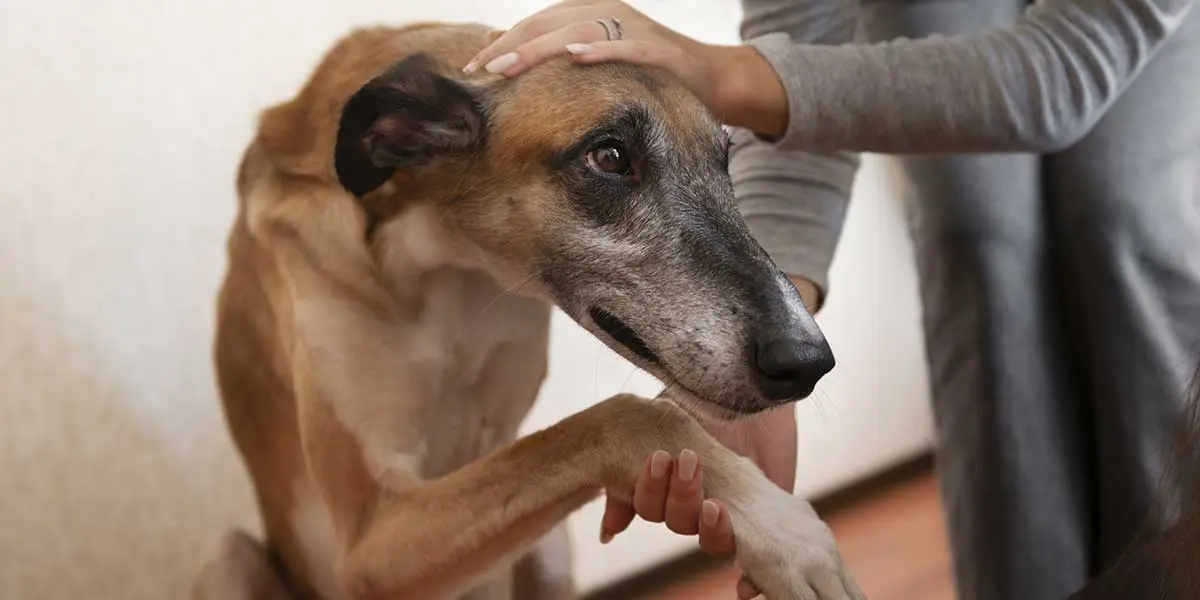
Does your dog seem to struggle with everyday movement? They may have arthritis, a common health issue that can make even simple activities uncomfortable. Noting when these difficulties occur gives your veterinarian useful context during your dog’s initial assessment.
As a long-serving veterinary team in Upper West Side, New York, we at Hudson Animal Hospital want to assure you that this condition shouldn’t keep your pet from enjoying a comfortable, active life. Learn more about managing arthritis in dogs here.
Arthritis Can Be Easy To Miss at First
Arthritis is fairly common in aging dogs. Signs often develop slowly and are easy to attribute to normal aging. Your pet may also develop it early after injuries or due to underlying orthopedic problems.
Osteoarthritis, which is the most common form in dogs, causes cartilage to gradually deteriorate. If your pet has yet to receive a formal diagnosis, bring them to the vet when you notice the following warning signs:
- Trouble getting up or lying down
- Stiffness after resting
- Slower or shorter walks
- Limping or an uneven gait
- Hesitation around stairs
- Reluctance to jump
- Slipping on smooth floors
- Swollen or tender joints
- Irritability when touched
- Reduced interest in play
How Does a Vet Know It’s Arthritis?
The diagnostic process generally starts with a physical exam. The vet will watch how your dog stands and walks, assess their range of motion, and gently feel their joints for abnormalities.
X-rays provide a clearer picture by revealing changes in the bones and joints. More advanced imaging may be necessary to rule out similar conditions.
Some cases also benefit from blood work. While it doesn’t directly diagnose osteoarthritis, it can help the vet assess whether long-term medications are appropriate and safe.
What Does Arthritis Care Look Like?
Managing arthritis in dogs is possible with a viable plan. A vet may recommend one or more of the following strategies.
Weight Management
Obesity tends to aggravate already painful joints, so maintaining a healthy body weight can make a meaningful difference. Your vet will help set an appropriate calorie target if your dog needs to slim down.
Gentle Activity
If your dog loves to play and go outside, they don’t have to stop being active entirely. Regular, low-impact exercise, like short walks, helps preserve muscle strength and mobility. Avoid running, fetching, and other intense activities that might aggravate sore joints.
Pain Medications
Talk to your vet for options if you suspect your dog is in pain. Nonsteroidal anti-inflammatory drugs (NSAIDs) are commonly used to control osteoarthritis symptoms. Some dogs may also benefit from newer therapies such as bedinvetmab, an anti-nerve growth factor monoclonal antibody used to target osteoarthritis pain.
Never give your dog human pain relievers. Canines metabolize medications differently than humans, so even small doses can cause life-threatening complications.
Physical Therapy
Why not help your dog move with more confidence through rehabilitation? Therapeutic exercises, hydrotherapy, and joint mobility work may improve strength and range of motion without placing excessive strain on painful areas. These therapies can also help reduce weight in a safe, controlled environment.
Joint Supplements
Some dogs may benefit from joint support supplements alongside the rest of their treatment plan. Omega-3 fatty acids can help reduce inflammation and improve cartilage and joint health.
These products shouldn’t replace other strategies when managing arthritis in dogs, and results can vary from one animal to another. Quality also varies by brand, so talk to your vet before adding anything new to your pet’s routine.
Making Adjustments at Home
Your dog’s environment can either support them or make daily activities harder. The goal is to reduce unnecessary and awkward movement throughout the day. A few practical changes may help reduce joint pain and stiffness while improving confidence around the house, including:
- Nonslip rugs on smooth flooring
- Ramps for furniture or vehicles
- Supportive orthopedic bedding
- Raised food and water bowls
- Easier access to favorite resting spots
Help Your Dog Move More Comfortably With the Hudson Animal Hospital Team
Arthritis may be chronic, but discomfort doesn’t have to become an accepted part of your dog’s daily life. Managing arthritis in dogs often means adjusting the treatment plan over time as mobility, pain levels, weight, and overall health change. At Hudson Animal Hospital, we can help you build a long-term approach that keeps your pet as comfortable and active as possible.
If your dog has started showing concerning symptoms, call 212-706-4088 to book an appointment. We also encourage you to read our blog post on caring for senior dogs.