
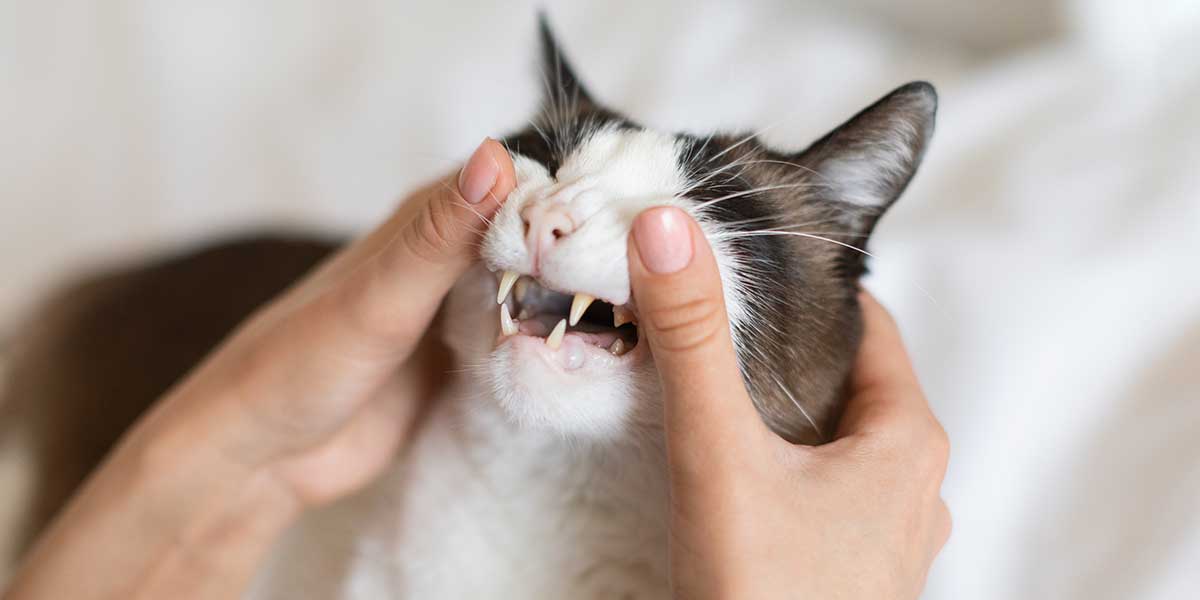
Have you noticed your cat’s teeth turning yellow? This could indicate that they are experiencing gum disease, which is incredibly common in cats. Addressing the underlying cause of the yellowing teeth can help you prevent further health issues.
When in doubt, consult a veterinarian in Manhattan about your furry friend’s health.
Reasons a Cat’s Teeth Might Turn Yellow
Healthy teeth in cats are typically white or off-white. If you notice your cat’s teeth turning yellow, brown, gray, or pinkish, this could indicate a problem with their oral health that needs to be addressed.
A cat’s teeth can turn yellow for a few reasons:
- Plaque and tartar build-up: Cats don’t have the same oral care routines as humans, leading tartar and plaque to build up from the foods they eat much faster. These materials can stain the teeth and lead to gum disease.
- Enamel erosion: Cats with more advanced dental disease might also experience yellowing teeth as the enamel erodes, leaving behind the softer dentin. This can lead to tooth pain and sensitivity; you might also notice your cat throwing up after eating, which can happen if they swallowed their food without thoroughly chewing it.
- Gingivitis and periodontitis: Gum issues, such as gingivitis, can coincide with a cat’s teeth turning yellow. Gingivitis is the earliest stage of gum disease. Without treatment, it can turn into a more advanced periodontitis, leading to tooth loss, eating difficulties, and significant tooth pain.
- Aging: A cat’s teeth can also turn yellow with age. The enamel on their teeth wears down over time, exposing the yellow dentin beneath.
- Certain medications: In certain cases, a cat’s teeth might turn yellow due to medications. For example, tetracycline given to young, growing animals can cause permanent tooth discoloration. Vets typically opt for alternatives to this antibiotic for young animals, but it may be necessary in some cases.
What To Do if Your Cat’s Teeth Have Turned Yellow
Cats don’t tend to show their teeth as much as dogs, so you may not initially notice that their teeth have become discolored. As soon as you see signs of discoloration, it’s best to schedule an appointment with your vet.
Yellow cat teeth accompanied by any of the following symptoms should also prompt a vet visit:
- Bad breath
- Red gums
- Difficulty eating
- Drooling
These are all signs of dental disease. If left untreated, the bacteria can spread to your cat’s organs and cause more severe damage.
Your vet can take a closer look at your cat’s teeth and gums, along with their overall health, to determine what might be going on.
How Do Vets Treat Yellow Cat Teeth?
After conducting a physical exam, your vet will develop a treatment plan based on your cat’s specific condition and the underlying cause of their yellowing teeth. If your cat is experiencing gingivitis, which is one of the early stages of gum disease, this can often be reversed with a professional cleaning.
Your vet can schedule a time to thoroughly clean your cat’s teeth under anesthesia and remove any plaque or tartar build-up, both above and below the gumline. During the cleaning, they can also get a better look at the back of your cat’s mouth.
After the professional cleaning, your vet may recommend brushing your cat’s teeth periodically to remove tartar and prevent further issues. Giving your cat dental treats may also help reduce plaque formation and promote overall oral hygiene.
Tooth extractions may be necessary in cases of more advanced periodontitis. This can also be performed under anesthesia.
More severe tooth- and gum-related conditions may require antibiotics, anti-inflammatory medications, or even laser therapy to treat the infection and manage your cat’s pain. Severe inflammation of the mouth can also lead to stomatitis, a complex disease that may require a few different medications and therapies to treat. Your vet will create a custom treatment plan based on your cat’s unique condition and overall health.
Schedule an Appointment With Hudson Animal Hospital
If your cat’s teeth are yellow, you generally shouldn’t overlook this issue or hope it will get better on its own. Yellow teeth can indicate several oral health conditions that range in severity. Waiting to address these problems can lead them to worsen, in some cases risking organ damage and other serious health problems.
Caring for teeth is an important part of keeping your cat healthy and happy. Hudson Animal Hospital can conduct a full physical examination to determine the cause of your cat’s yellowing teeth, then schedule a teeth cleaning or recommend other treatments based on their condition.
Request an appointment today by calling 212-706-4088.