Dogs need water to support a range of bodily processes, from organ function to digestion. When they become dehydrated, they can quickly experience serious health concerns.
Knowing how to tell if a dog is dehydrated can help you make prompt and informed decisions about seeking treatment. Dehydration is not only a matter of whether a dog is drinking enough water. Some health conditions can lead a dog to become dehydrated, despite drinking plenty.
When in doubt, contact Hudson Animal Hospital for guidance on your furry friend’s health.
What Is Dehydration in Dogs?
Dehydration occurs when a dog either has insufficient water intake or excessive fluid loss. In either case, the dog is losing more fluid than they are consuming, preventing their body from retaining the necessary fluids to support bodily functions.
Dehydration can range from mild to severe. In some cases, a dog might spend a bit too long outside on a hot day and become mildly dehydrated. Underlying medical conditions can also lead to dehydration, such as diabetes or kidney disease, often presenting more severe symptoms.
Severe dehydration can lead to organ dysfunction and bodily shock, causing serious complications. Knowing how to tell if a dog is dehydrated can help you act promptly when they are experiencing these symptoms. Your vet can administer IV fluids to rehydrate your dog, then determine the underlying cause of this issue.
Signs of Dehydration in Dogs
Dog dehydration symptoms can vary, and minor dehydration is not always initially evident. Watch out for the following signs that your dog may not be drinking or retaining enough water.
Loss of Skin Elasticity
One of the best ways to tell if a dog is dehydrated is by checking their skin elasticity. Gently pinch some of the dog’s skin near their shoulder blades, lifting it and then letting it go. In well-hydrated dogs, the skin quickly springs back to its original position. If a dog is dehydrated, their skin will take longer to return to place.
If you perform this test and are unsure whether your dog’s skin elasticity has changed, look for other symptoms to confirm your suspicions.
Dry, Sticky Gums
Another canine hydration check you can perform is looking at their gums. Hydrated dogs have naturally wet or moist gums. If your dog lets you, peel back their jowls and touch their gums. If they feel dry or sticky to the touch, your dog may be dehydrated.
Sunken Eyes
Dogs who have been dehydrated for an extended period may also appear to have sunken eyes. You can also check whether your dog’s eyes look dull or dry, which could indicate their body does not have access to enough hydration
Weakness or Lethargy
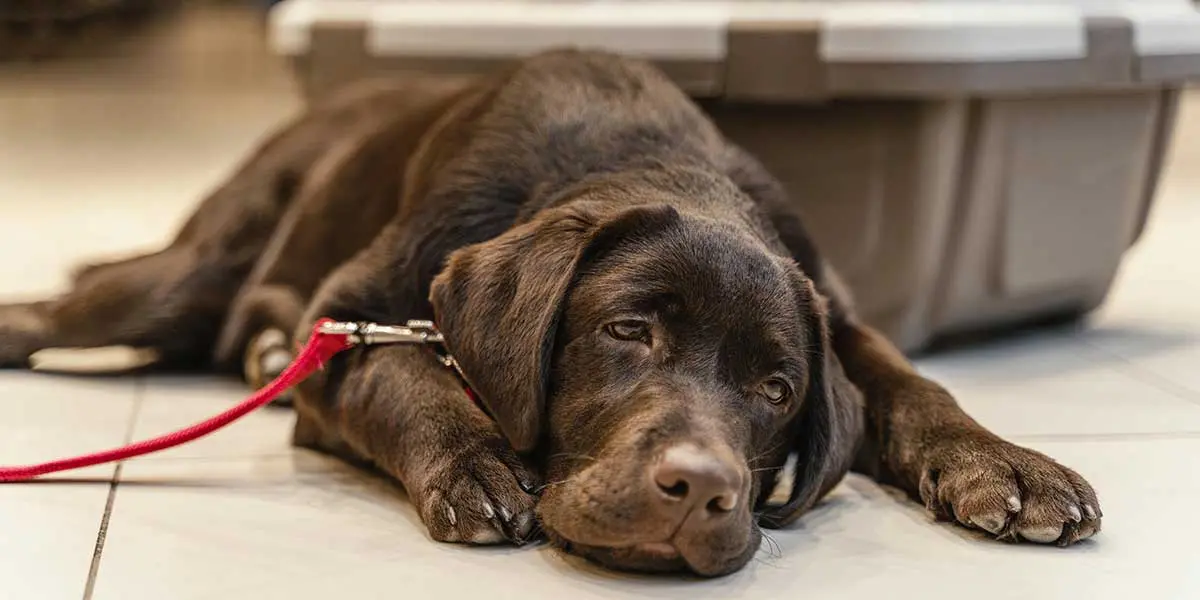
Dehydration can lead a dog to feel weak or sluggish. You might notice them playing less, sleeping more, or appearing more tired than normal. Lethargy is a symptom of a wide range of conditions, so it is important to have your pup checked out at the vet if they start acting less energetic than usual.
Dry Nose
Healthy, well-hydrated dogs generally have moist noses. If your dog’s nose becomes overly dry, this may be a sign of dehydration as well. However, other factors can also lead a dog’s nose to become dry, such as recent sleep, environmental dryness, allergies, or even sunburn.
Thick Saliva
Another way to tell if a dog is dehydrated is to examine their saliva. If you notice any changes in your dog’s drool or saliva, such as it becoming thick and pasty, this could also be a sign of dehydration. But if your dog does not normally drool, you may not be able to notice this symptom.
Excessive Panting
Finally, a dehydrated or overheated dog might pant excessively. If your dog is panting more than normal, offer them water and bring them to a cool environment. Try turning on the fan for them or inviting them to lie on a tile floor. If the symptoms do not subside within an hour, they may have more significant dehydration that requires veterinary intervention.
What To Do If You Think Your Dog Is Dehydrated
If you are concerned your dog may be dehydrated, give them clean water and invite them to drink. If their symptoms do not resolve shortly or you notice symptoms for longer than a day, contact your vet for assistance.
Your veterinarian will likely advise you to take your dog in for an evaluation. There, they will perform an exam to determine whether your dog is dehydrated or experiencing any other symptoms. Your vet can provide IV fluids and conduct additional testing to determine the source of their dehydration.
Tips To Keep Your Dog Hydrated
Your vet can help you rule out chronic conditions or underlying medical problems that may cause dehydration. In some cases, dogs become temporarily dehydrated due to normal causes. The tips below can help encourage your dog to drink more water, especially if they are not naturally drawn to their water bowl throughout the day.
- Place multiple water bowls throughout the house and in the dog’s outdoor space. This provides them with easy access to water when they become thirsty, encouraging them to drink more.
- Give your dog wet food daily for additional hydration.
- When your dog is playing or completing strenuous activity, take frequent breaks and invite them to drink.
- Give your dog ice cubes as a fun treat.
- Provide your dog with fresh water daily; they may not drink if the water bowl is dirty.
- Use a pet fountain instead of a typical water bowl, as dogs are attracted to the sound of running water.
These pet hydration tips can help your dog create healthy drinking habits.
Schedule an Appointment With Hudson Animal Hospital
Dehydration in dogs can be a serious issue in itself, and it may also indicate a severe underlying condition. It is always best to seek veterinary care when you notice dog health warning signs
Hudson Animal Hospital regularly treats dogs experiencing dehydration and related health conditions, such as diabetes and kidney diseases. Now that you know how to tell if a dog is dehydrated, call 212-706-4088 today to schedule an appointment.