
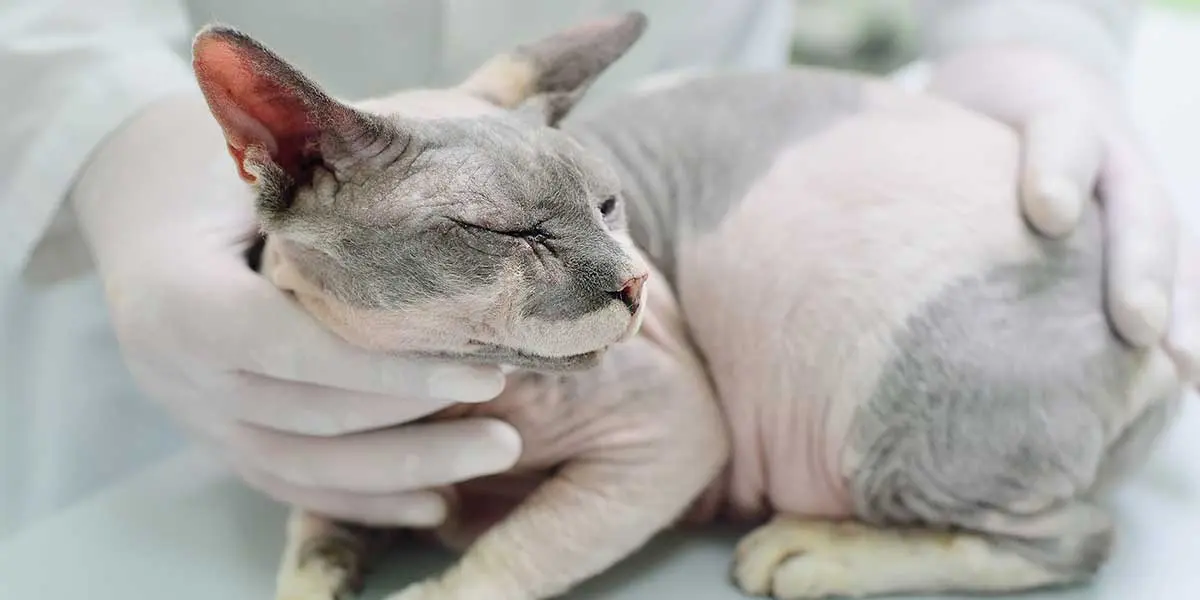
Kidney disease is one of the most common ailments we see in our animal hospital in Manhattan, NY. Far too many cat owners fail to see the early signs and end up receiving a formal diagnosis once their kitty is in the advanced stages of renal failure. To preserve your furry friend’s health, you must recognize the common signs of kidney disease in cats and take swift action.
Keep an eye out for any changes in their health and report them to your veterinarian immediately. Early intervention is one of the best ways to extend your pet’s lifespan, even with a chronic kidney disease diagnosis. Check out some feline renal failure signs to watch out for and learn what you can do to keep your cat as healthy as possible.
What Is Chronic Kidney Disease in Cats?
Just as humans can go into renal failure, cats can also experience kidney problems, especially as they age. The kidneys are responsible for filtering waste from a cat’s body. If they begin to shut down, animals may develop an imbalance of fluids and protein.
In addition, failing kidneys can impact blood pressure levels. Older felines stand a greater risk of developing the condition. However, the disease can also affect younger cats, especially if they have a hereditary case or a related medical condition.
Treating this disease isn’t impossible. Vets can recommend medications and therapies to help your cat live with reduced kidney function. Early intervention remains the best way to manage this condition, so you can have many more years with your furry friend.
11 Feline Kidney Disease Symptoms To Watch Out For
Do you know the signs of kidney disease in cats? Your pet may experience one or more symptoms of this complex medical condition. Take a closer look at common health issues affecting diseased felines below.
1. Dehydration
Poor kidney function often results in excessive water loss. As a result, your cat can suffer from dehydration. This is especially harmful if they don’t drink a lot of water to begin with or only eat dry food.
How can you tell if your cat is dehydrated? Even if they meow at their discomfort, you can’t decipher what they’re telling you. Thankfully, there are a few different ways to monitor dehydration:
- Eye appearance: Dehydrated cats often have sunken eyes.
- Gum dryness: Open your pet’s mouth slightly and see if their gums are slimy or bone-dry.
- Skin elasticity: Carefully pinch the skin between your cat’s shoulder blades and see how quickly it returns to its position. Slower movement indicates dehydration.
2. Increased Thirst
One of the telltale signs of kidney disease in cats is the amount of water they drink. To compensate for their body’s natural water loss, felines may suddenly lap up more water than ever before.
Perhaps you have to fill your cat’s water bowl twice as often. Pay attention to how much they drink and monitor the signs of dehydration. Chronic kidney disease impacts fluids to the point where constantly drinking water may not be enough to combat dehydration.
3. Litter Box Accidents
When it comes to a cat’s kidney health, warning signs of renal failure often involve the urinary tract. You may notice your pet having accidents outside of their litter box. Don’t be mad at them for going elsewhere, especially if they’ve used the box without issue for years.
Polyuria, or excessive urination, is one of the most common urinary health issues in cats. It may stem from various medical conditions, but renal failure is the most prominent cause. Your cat may need to urinate more frequently because they’re drinking more, but general weakness or lethargy could prevent them from getting to the box in time.
4. Reduced Appetite
Picture this scenario: Sonya is a dedicated pet parent who uses an automatic feeder to give her cat Milo breakfast and dinner on a precise schedule. Milo patiently waits by the device as mealtime approaches and quickly gobbles up all of the food as soon as it’s dispensed. When Sonya gives Milo the occasional treat, he also devours it without any hesitation.
Now, Milo hears the feeder dispense his food and casually saunters over to eat. After a few bites, he walks away with most of the meal untouched. What would cause him to suddenly lose his robust appetite?
Reduced kidney function can do a number on a cat’s overall health. They may be feeling unwell and have little interest in eating. If this is an ongoing issue with your pet, schedule a vet appointment right away to evaluate their health and well-being.
5. Weight Loss
While weight loss is one of the possible signs of kidney disease in cats, it can also indicate a host of other medical issues. Pick up your cat every so often to check how heavy they are. Considerable weight loss may occur when their body can’t filter waste, and they lose their appetite.
Bear in mind that this and other symptoms don’t always mean your cat is in renal failure. For instance, if you switch your pet’s food to a kind that their stomach can’t tolerate, they may exhibit a reduced appetite and weight loss. The only way to confirm they have chronic kidney disease is by bringing them to the vet for blood work and urinalysis.
A formal diagnosis may come if the test results show abnormalities with the following:
- Creatinine levels
- Blood urea nitrogen
- Calcium
- Red blood cell counts
- Electrolytes
Your veterinarian can explain the results and build a treatment plan around your cat’s blood work.
6. Bad Breath
Most cat owners agree that there’s nothing better than having these lovable furry creatures curl up on your chest or lap. They may sleep there for several minutes before waking and releasing a big yawn. When they do, you’re hit with a strong, ammonia-like odor, which completely ruins an otherwise peaceful experience.
Poor oral and dental health could be to blame. However, something may be going on internally. Because the kidneys help filter toxins out of the body, the odor-causing uremic toxins can build up in the blood and affect your cat’s breath.
Oral ulcers may accompany their foul-smelling breath. If you notice either of these concerning signs, it’s time to take your animal to a veterinary clinic for a check-up. Tests can confirm if they’re dealing with renal failure or another underlying condition.
7. Lethargy
When cats sleep for 16 hours a day, you might not clock their excessive sleepiness as out of the ordinary. Take note of how lethargic they seem, as this can be one of the first signs of kidney disease in cats.
Maybe you always hear the bell on their collar coming toward you when you shake a bag of their favorite treats. Say every night your cat transitions from the living room to your bed and purrs alongside you as you fall asleep. When these behaviors suddenly stop, there’s something amiss.
Even senior cats who slow down with age shouldn’t be extremely weak or lethargic. Schedule a vet appointment when you notice something off with your pet’s activity. They could be in pain or discomfort, which causes them to stay put in one spot for most of the day.
8. Vomiting
Any pet parent should be concerned when their four-legged friend vomits. While it may be a case of eating too quickly, you can’t write off something more serious, such as early-stage renal failure.
Pay attention to your pet’s gastrointestinal symptoms. Let your vet know if the vomiting is persistent and if it’s combined with other symptoms. Possible treatments for kidney disease include dietary changes, which may further impact the digestive tract.
9. Diarrhea
One of the biggest signs of kidney disease in cats is chronic diarrhea. Felines with the condition usually have excessive toxins in their bloodstream, which upsets their gastrointestinal system. As a result, dehydration may worsen with diarrhea, and cats may lose more weight.
Treating these symptoms requires professional intervention. Your vet may deploy various remedies, including:
- IV fluids: Pumping fluids into your cat’s system can combat dehydration, so they feel better.
- Specialized diets: Experts recommend feeding cats with kidney disease foods that are low in protein and phosphorus, as these nutrients can further affect renal function.
- Medications: If a feline has anemia due to low red blood cells or high blood pressure, vets may prescribe medications to treat these symptoms.
10. Constipation
Not all cats with failing kidneys experience uncontrollable bowel movements. Some struggle to go at all. Constipation ties back to dehydration, so monitor your pet’s litter box activity if you suspect they’re not drinking enough water.
You may find limited fecal matter in their litter box as a result. Inactivity can also worsen constipation. If you have a lethargic cat who can’t even jump up to their favorite perch, their bathroom habits may undergo harmful changes.
11. Behavioral Changes
No one knows your cat better than you. While you may question subtle changes in their eating or drinking habits, monitoring their behavior is often the best way to detect kidney disease and other possible health concerns.
Cats are stoic creatures and may try to hide their illness. However, the pain and discomfort may eventually get to them and cause them to become withdrawn or unusually vocal.
Does your fur baby always greet you at the door, but now they’re nowhere to be found when you get home? Is your cat notoriously quiet, yet suddenly meows and cries more than ever before? Don’t ignore these potential signs of kidney disease in cats.
Can You Prevent Kidney Disease in Cats?
As much as you try to keep your pet healthy, some of the signs of kidney disease in cats are unavoidable. The condition can be hereditary or coupled with other ailments like cancer.
However, some felines damage their kidneys through exposure to toxins. If you’re worried about your animal becoming ill, there are a few simple ways to limit their exposure.
Keep lilies and other toxic plants out of your home. Always put away cleaning supplies with harsh chemicals, as curious cats may ingest some of the mixture. In addition, keep your pet away from stray animals, which may carry infectious diseases.
How To Care for Your Cat Following a Kidney Disease Diagnosis
There are many early signs of kidney disease in cats to monitor. If any of them affect your pet and the veterinarian confirms they’re in renal failure, you may be worried about their health going forward. While late-stage kidney disease isn’t curable, owners can manage the symptoms to keep their pets comfortable.
Here’s what you should do to support your sick cat:
- Make fresh water easily accessible: Felines need plenty of fluids, especially those with insufficient kidney function. Keep several bowls of fresh water within reach and refill them daily.
- Adjust their diet: Your veterinarian may recommend switching your cat’s food to benefit their digestive and urinary tract. Follow their personalized advice for feeding your cat and keeping them at a healthy weight.
- Administer medications: If your vet prescribes oral medications, provide your cat with the appropriate dose.
- Monitor their health: Keep an eye out for changes in your pet’s health. Bring them to the vet for routine follow-ups and schedule urgent appointments if they take a turn for the worse.
- Love them unconditionally: Your aging or chronically ill feline deserves as much love as a healthy kitten or young cat. Show them affection and make sure your home has plenty of comfortable spots for them to relax.
Choose Hudson Animal Hospital for Top-Tier Treatment
Do you notice your pet exhibiting any of the signs of kidney disease in cats? Bring them to Hudson Animal Hospital for a precise diagnosis and effective treatment. Our veterinary team routinely treats chronic kidney disease and other senior cat health problems.
Let our staff assess your kitty’s health and recommend treatment plans for their reduced kidney function. At Hudson Animal Hospital, we treat all of our four-legged patients with the utmost care and compassion. Contact our Manhattan-based office at (212) 706-4088 to make an appointment.