
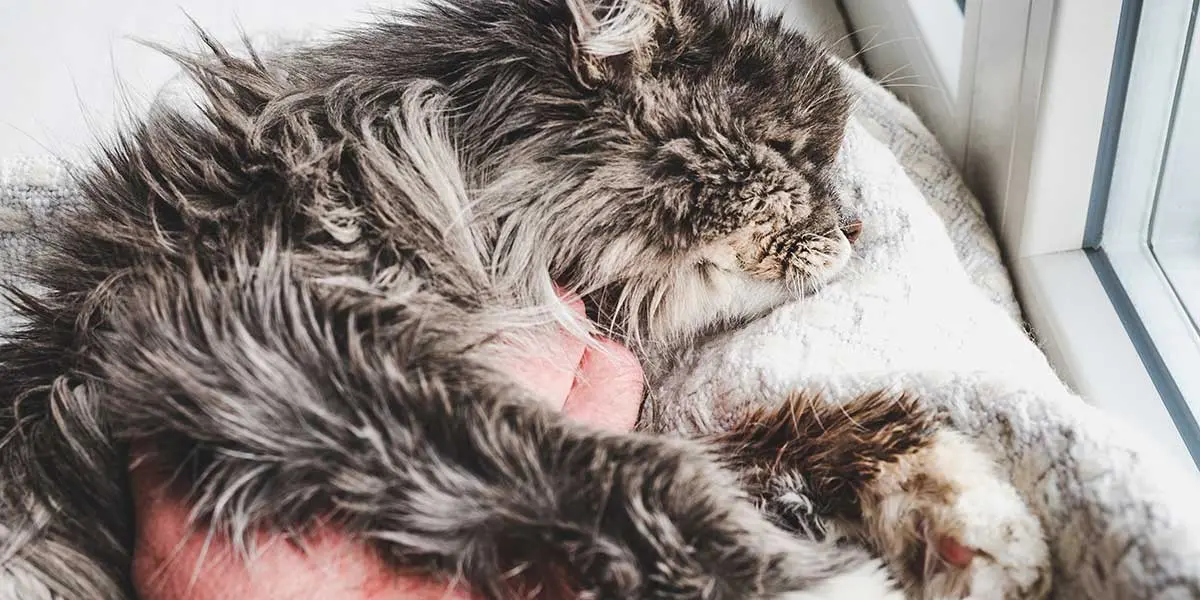
Cats are notoriously fastidious about grooming and spend a great deal of time every day keeping their fur clean and tidy. That’s why a change, like a normally soft coat that suddenly feels slick, can spark concern.
If you’re wondering why your cat’s fur is greasy, a visit to a vet on the Upper West Side can help you solve the mystery. The cause may be something simple, like a change in their diet, but it can also point to an underlying health concern.
Why Your Pet’s Fur Might Suddenly Feel Different
Changes in your cat’s fur can be one of the more visible indications of a problem. A healthy cat’s coat tends to be smooth and even with a natural shine, not clumpy and matted or excessively slick. It also tends to be consistent across the whole body, although some cats might have isolated oily spots because they’re difficult to reach for grooming.
If this doesn’t sound familiar, then why is your cat’s fur greasy? Some common possibilities include:
- Poor grooming: A cat that stops grooming, or only grooms occasionally, can quickly develop an oily or messy coat.
- An inadequate diet: A poor-quality diet without adequate nutrition can cause greasy or unkempt-looking fur.
- Excessive sebum production: Too much natural skin oil can leave the fur looking slick or clumped.
- A skin condition: Certain skin problems or infections can change the coat’s texture and oiliness.
- Weight or mobility problems: Overweight cats may struggle to reach certain areas for grooming.
- Pain or illness: Arthritis, dental disease, diabetes, hyperthyroidism, and other medical problems can interfere with normal grooming.
- Age: Sometimes, older cats develop dementia or confusion in addition to other health issues and forget to groom.
Stress or changes in a cat’s environment may also affect grooming habits. In some cases, more than one factor is involved.
When Greasy Fur Is More Than a Bad Hair Day
Sometimes, the issue is temporary; for example, a cat in a new environment might be experiencing stress and anxiety that distracts them from grooming. Once they become more comfortable, their grooming habits may return to normal, and the coat may gradually improve. If your cat is otherwise healthy, gentle brushing and a complete, balanced diet can support their well-being.
However, a persistent greasy cat coat deserves attention, especially when it appears alongside other changes in health or behavior. If you’re still asking why your cat’s fur is greasy after trying basic care, schedule a visit with a veterinarian to find out what’s going on.
A few signs to get your cat examined rather than wait it out include the following:
- The greasiness is spreading beyond a single area.
- The condition worsens over a week or two.
- A strong odor is coming from the coat or skin.
- The cat is experiencing noticeable weight gain or loss.
- They’ve had changes to their appetite or litter box habits.
A clearly sick or lethargic cat always warrants a veterinary examination. Still, even if your cat seems otherwise normal beyond the greasy fur, an exam is really the only reliable way to sort out the cause. The doctor will examine the animal, conducting a skin check, and may order blood work to uncover the cause and develop a treatment plan.
How To Prevent Greasy Fur
If you notice a sudden change to your pet’s fur but they seem otherwise healthy, give them a little extra TLC to see if the issue clears up. Brushing their fur a few times a week helps redistribute natural oils, remove buildup, and prevent clumps and mats from forming. A complete and balanced diet can also support good skin and fur health; ask the vet for food recommendations if you’re unsure.
Keep an eye on their stress levels too, since anxious cats might stop grooming. Consider whether any major changes in your home might be affecting them, and be sure to provide a quiet, calm place where they can retreat.
See a Vet at Hudson Animal Hospital for Help With Your Cat
It’s easy to brush off a greasy coat as a grooming issue, especially if your cat still seems mostly like themselves. But cats are experts at hiding discomfort. If something seems noticeably different or you notice the signs that your cat may be sick, a checkup can help determine whether you’re dealing with a simple grooming problem or something that needs treatment.
If you’re concerned about why your cat’s fur is greasy or any other issue, call Hudson Animal Hospital at (212) 706-4088 to schedule a veterinary examination.