
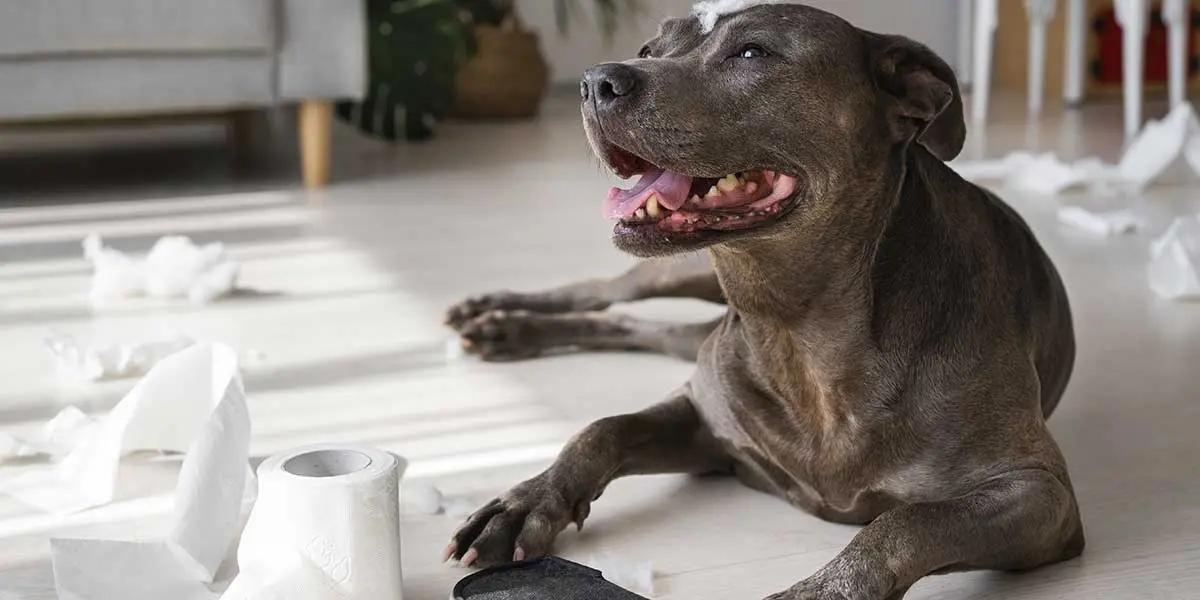
Dogs experience the world through their mouths. Licking, chewing, and sometimes outright swallowing things that they shouldn’t are all part of being a canine.
But when a dog eating foreign objects becomes more than a quick scare, the consequences can be serious. If you catch your pup gulping down a sock or something unidentifiable from the sidewalk, a visit to a vet on the Upper West Side of New York can prevent a serious health emergency.
Why Dogs Swallow Things They Shouldn’t and Why It’s a Problem
Dogs, especially puppies, are naturally curious and will chew or swallow any object that catches their attention, regardless of whether it’s food or not. Sometimes, the object’s scent is irresistible, while in some cases, it’s just that the animal likes to chew. Sometimes, a dog eating non-food items, a behavior known as pica, can stem from dietary deficiencies, which is why it is so important to understand your dog’s nutritional needs during different life stages.
The dangers of dogs swallowing foreign objects depend on what they eat and where it ends up in the digestive tract. Small items may pass through without causing major issues, but larger or oddly shaped objects can become lodged in the stomach or intestines. Certain materials, especially harmful foods or items like batteries, can also cause internal irritation, injury, or poisoning.
That’s why, when pet owners ask what happens if a dog eats a foreign object, the answer varies. An intestinal blockage from swallowed objects may prevent food, water, and digestive fluids from moving normally through the body, a condition that can quickly become serious. Pressure from the blockage could damage intestinal tissue and reduce blood flow.
Sharp objects carry the additional risk of puncturing or tearing tissue, which can lead to life-threatening infection. Linear items like ribbon, dental floss, or string are dangerous because they can become entangled in the intestines, and pulling on them can compress the tissue and cut off circulation.
Harmful foods add another layer of complexity to a dog eating foreign objects. Certain harmful foods, like chocolate, can trigger toxic reactions alongside any physical obstruction. While household items pose an obvious physical danger, many common kitchen staples are equally hazardous to your pet’s digestive system; check out our guide on what foods your dog can safely eat.
Warning Signs Your Dog May Have Swallowed Something
Symptoms of foreign object ingestion in dogs can appear quickly or develop gradually over hours or even days.
Vomiting is often the first noticeable sign, especially if the dog is retching repeatedly without producing anything. Some dogs paw at their mouths or drool excessively if an object is lodged in the esophagus or throat.
Other symptoms of foreign object ingestion in dogs that require attention include:
- A sudden drop in appetite
- Abdominal tenderness
- Lethargy
- Constipation signaling that something is stuck somewhere it shouldn’t be
- Labored breathing
The tricky part is that a dog can seem relatively normal at first, only to deteriorate within a short window of time. That is why monitoring your animal closely after a suspected ingestion is so important. Gastrointestinal upset doesn’t always mean your dog swallowed a toy. If your pup is dealing with frequent vomiting or chronic digestive issues, it is worth learning how you can tell if your dog has food allergies to find the root cause. Even if you only think that your dog ate something they shouldn’t, or the item was small, it’s best to contact a veterinarian.
How Vets Diagnose and Treat the Problem
To confirm a suspected ingestion, veterinarians use a combination of physical examination and imaging. X-rays can reveal many solid objects, while an ultrasound is sometimes needed to locate items that don’t show up clearly.
Once the object is located and identified, treatment ranges from monitoring to active intervention, depending on the severity.
If the object is small and recently swallowed, a vet may be able to induce vomiting safely. You should never attempt to do this at home without professional guidance, as it can cause further damage if the object is sharp.
For objects that have moved deeper into the digestive system, endoscopy may allow a vet to retrieve the item without surgery. When that’s impossible, surgical removal becomes necessary.
Most dogs recover well with prompt treatment. If you catch your dog eating foreign objects, note what they swallowed and call the vet. Even if the dog seems fine, a quick phone call can help determine whether an in-person evaluation is needed immediately or whether a watchful eye at home is appropriate.
Call Hudson Animal Clinic for Help
While most dog owners know that chocolate is bad for dogs, it’s easy to overlook other hazards and only realize there’s a problem when their animal gets sick. And even when you keep dangerous items away from your pet, it’s easy for a curious pooch to find trouble.
If you suspect that your dog is eating foreign objects, don’t wait for symptoms to become severe. Contact Hudson Animal Hospital today at (212) 706-4088. Their experienced team can evaluate the situation and recommend appropriate treatment to keep your furry family member healthy and safe.