
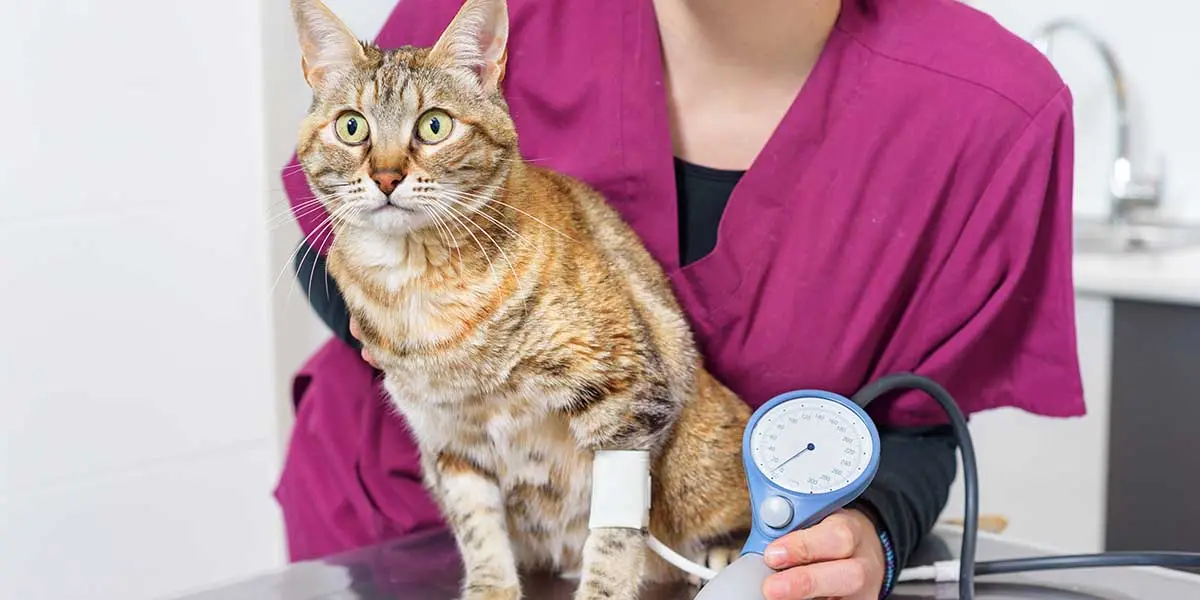
High blood pressure in cats is more common than most pet owners realize, and unfortunately, just as in people, it can go undetected until it has already caused organ damage.
Because cats are experts at hiding illness, feline hypertension is often discovered too late. The good news is that it’s possible to manage your pet’s high blood pressure when caught early.
Understanding the signs of a problem can help protect your cat’s health and ensure they receive the veterinary services they need before the condition becomes more severe. Feline hypertension often develops silently alongside secondary medical conditions, which is why it is frequently grouped among the most common cat illnesses that senior pets face.
Why It Matters if Your Kitty Has High Blood Pressure
High blood pressure in cats means that blood is moving through the arteries with excessive force. Over time, this increased pressure can damage delicate tissues in the eyes, kidneys, brain, and heart.
One of the biggest challenges in understanding hypertension in cats is that many affected pets appear normal during the early stages. A cat may continue eating, sleeping, and interacting as usual while silent damage is occurring internally. Routine wellness exams are an important part of detecting problems before they become emergencies, but as the condition progresses, cats may start to show symptoms.
Common signs of elevated blood pressure include:
- Vision changes, including sudden blindness caused by damage to the retina
- Disorientation or less coordination than usual
- Behavioral changes, like a social cat becoming withdrawn or showing unusual restlessness
- Increased vocalization
- Increased water intake and urination
- Unexplained weight loss or vomiting
- Changes in appetite along with other symptoms
None of these symptoms on their own is a definitive diagnosis, but any one of them warrants a visit to the vet to investigate feline hypertension and its treatments.
Common Causes of High Blood Pressure in Cats
In many cases, high blood pressure in cats is secondary hypertension, meaning that it stems from an underlying condition. Chronic kidney disease is one of the most common contributors. As kidney function declines, blood pressure can rise. An overactive thyroid gland is also a common issue; as the thyroid speeds up bodily functions, it can also spike blood pressure.
Heart disease and cat obesity can also contribute to cardiovascular stress and drive up blood pressure readings. However, there is another category of hypertension that isn’t related to other conditions. Some cats have primary, or idiopathic, hypertension, meaning the vet can’t find any underlying disease. While senior cats are most susceptible to hypertension, genetic factors can also play a role, making it helpful to research traits when choosing the best cat breeds for first-time cat owners.
How High Blood Pressure Affects Cats Over Time
Untreated hypertension can cause significant health problems. For example, elevated blood pressure can damage blood vessels in your pet’s eyes, leading to bleeding or retinal detachment, which can cause blindness. Kidney disease may progress more rapidly when hypertension is present, creating a cycle that further compromises health.
The heart can also suffer from the added workload of pumping against increased pressure. Over time, this strain may contribute to structural changes and reduced cardiac efficiency. The brain is another area at risk, with severe hypertension occasionally leading to neurological symptoms.
Diagnosing and Treating Feline Hypertension
Veterinarians diagnose hypertension by measuring blood pressure during an examination using a small cuff placed around the cat’s leg or tail, along with a Doppler device to detect blood flow. The vet will take multiple readings to ensure accuracy and reduce the effects of stress or anxiety.
A systolic blood pressure consistently above 160 mmHg is generally considered high and warrants attention. The doctor will likely order additional testing, including bloodwork and imaging, to determine the cause and guide treatment.
Feline hypertension treatment varies depending on the individual cat and any related diseases. In addition to treating any primary conditions, treatment may include medications to lower blood pressure. Regular monitoring allows veterinarians to adjust treatment as needed and track progress over time.
Vets also typically recommend dietary changes to help manage high blood pressure in cats, especially in overweight animals. Reducing sodium intake, encouraging hydration through wet food, and weight loss can all contribute to better cardiovascular health.
Give Your Cat Quality Care From Hudson Animal Hospital
High blood pressure in cats is a serious but treatable condition, and early detection makes all the difference. The long-term outlook for cats with well-managed hypertension is generally positive. With treatment, you can slow or stabilize organ damage, and many cats go on to live comfortable, happy lives after diagnosis. Managing your pet’s circulation directly impacts their daily mood and stamina. Routine veterinary screenings ensure you can maintain these vital signs of a happy, healthy cat.
If you have concerns about high blood pressure or notice unusual symptoms in your feline friend, make an appointment at Hudson Animal Hospital at (212) 706-4088. Cats with unmanaged hypertension face elevated risks for eye damage, kidney failure, strokes, and heart complications, including feline hypertrophic cardiomyopathy, so the sooner you see the doctor, the better for your pet’s overall well-being.