
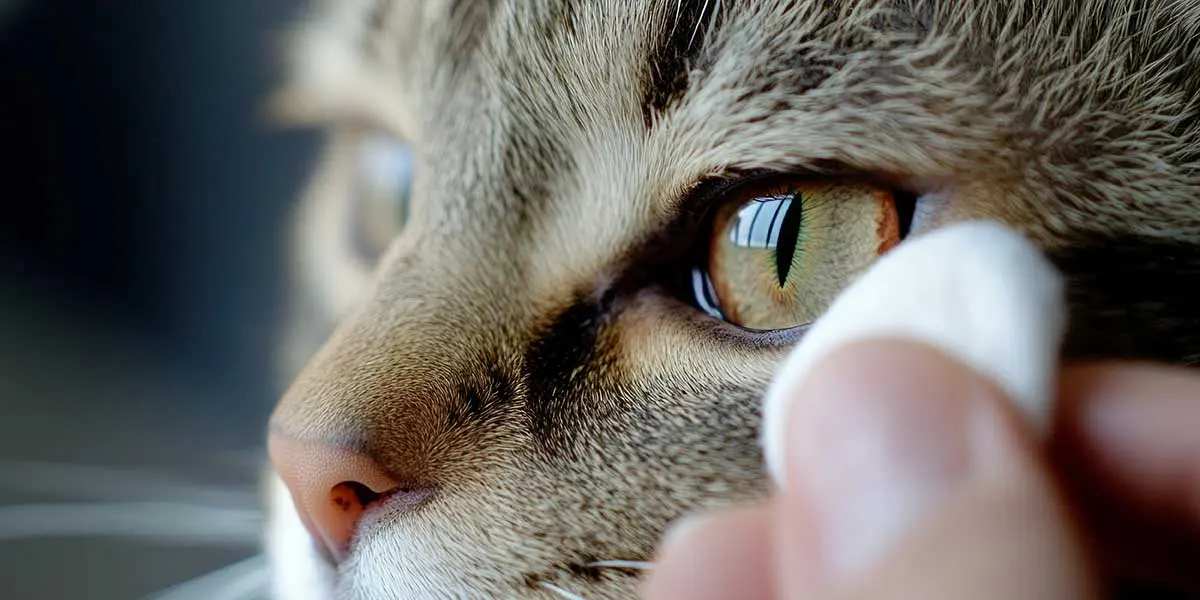
Have you noticed your cat’s eyes watering or producing discharge? This new symptom shouldn’t be overlooked. Eye discharge is often a symptom of a larger problem that needs to be addressed through medication or other treatments.
Below, explore a few common causes of eye discharge in cats and what to do if you notice this symptom. Then contact a veterinarian in NYC to schedule a check-up.
How the Right Veterinarian Supports Your Pet’s Health and Longevity in NYC
Dogs, cats, and other common pets can experience a wide range of health concerns throughout their lives. One of the first steps a new pet owner should take is locating a trusted veterinarian in Manhattan whom they can turn to for regular health check-ups, vaccines, and sick visits whenever their pet needs care.
Finding a veterinarian in Manhattan who understands the nuances of raising a pet in NYC is important to keeping your furry friend happy and healthy. Your vet should be skilled in treating all common conditions, ranging from eye infections in cats to digestive issues in dogs. With the right vet, you can ensure your pet receives the preventive care and prompt medical treatment they need throughout their life.
What Does Eye Discharge in Cats Look Like?
A small amount of discharge can be completely normal in cats. Like humans, cats can develop “eye boogers” when the corners of their eyes accumulate moisture that eventually dries. Seeing small, dark-colored bits in the corners of your cat’s eyes may not be cause for concern.
But if your cat has developed abnormal discharge, you will probably notice it fairly quickly. Discharge may look like:
- Your cat’s eye “watering” with clear discharge draining from the corner
- Staining or damp spots near your cat’s inner eye and nose
- Discolored discharge, which may be white, yellow, green, or reddish brown
You may also notice other symptoms associated with feline eye discharge, such as your cat squinting or their eye looking red or cloudy.
Common Causes of Eye Discharge in Cats
What causes eye discharge in cats? Discharge is often a response to something irritating your cat’s eye, be it an allergy, an infection, or even a foreign object. Your vet can help nail down the exact cause of your cat’s new symptoms and develop a treatment plan.
Understanding a few common eye problems could also steer you in the right direction as you try to determine what may be bothering your furry friend.
Conjunctivitis
Conjunctivitis, or pink eye, is one of the more common causes of eye discharge in cats. This is an infection that causes inflammation of the eye. Your cat’s eye may look red and swollen, with thick or watery, clear discharge.
In many cases, this eye infection in cats can be resolved with a round of eye drops. If your cat has feline herpesvirus, a common virus that affects over 50% of all cats, they may be predisposed to conjunctivitis. Cats with feline herpesvirus may not exhibit symptoms for much of their lives, but stress-induced flare-ups can cause eye infections and respiratory symptoms like sneezing and nasal congestion.
Allergies
Sometimes, watery eyes in cats are due to allergies. Your cat may be allergic to dust, mold, or other airborne contaminants, causing them to develop an immune response that includes watery eyes.
If both of your cat’s eyes are showing symptoms of feline eye discharge, allergies may be a likely explanation. You’ll still want to take your cat to the vet to rule out other possible causes and pinpoint what your cat may be allergic to.
Corneal Ulcers
If your cat’s eye looks very red and inflamed, and they squint it most of the time, they may have developed a corneal ulcer. This is an open sore on the surface of the eye. You may not be able to see the sore itself, but your vet can examine it more closely using specialized tools. They can also place a few drops of a yellow-orange stain onto your cat’s eye, which would cause the ulcer to glow under a blue light.
Cats with feline herpesvirus are often more likely to develop corneal ulcers, though they can also occur in response to foreign bodies or trauma to the eye. Treatment often includes antibiotic or antiviral eyedrops, though some complex ulcers may require surgery to repair.
Foreign Objects
In some cases, a cat’s eye can produce discharge in response to a foreign object, which can be something as small as an eyelash or a tiny piece of debris. Discharge helps dispel the foreign object from the eye. If you notice the discharge clearing up within a day or two, this may have been the cause, but you should keep a close eye on your cat and take note of further symptoms.
Cat Eye Care Tips While Awaiting Your Vet Appointment
Scheduling an appointment with your veterinarian is a wise next step when you notice new eye discharge in cats. In the meantime, you can take a few steps to help your feline stay comfortable:
- Clean your cat’s face of discharge periodically with a warm, damp cloth.
- Run a humidifier, especially if you notice other respiratory symptoms indicative of feline herpesvirus.
- If your cat is pawing or scratching at their eye excessively, use an E-collar to prevent them from hurting it further.
- If your pets like to wrestle, keep your cat away from other animals in the house to prevent further trauma to the eye.
If your cat is acting lethargic, not eating or drinking, and showing severe eye-related symptoms, an emergency vet visit may be warranted.
Schedule an Appointment With Hudson Animal Hospital
Eye discharge in cats can indicate a range of common eye disorders or more severe problems. It never hurts to have your vet take a look, especially if the discharge has persisted for more than 24 hours or your cat appears to be in distress.
Hudson Animal Hospital provides comprehensive veterinary care in Manhattan. Call us today at 212-706-4088 to schedule an appointment.