
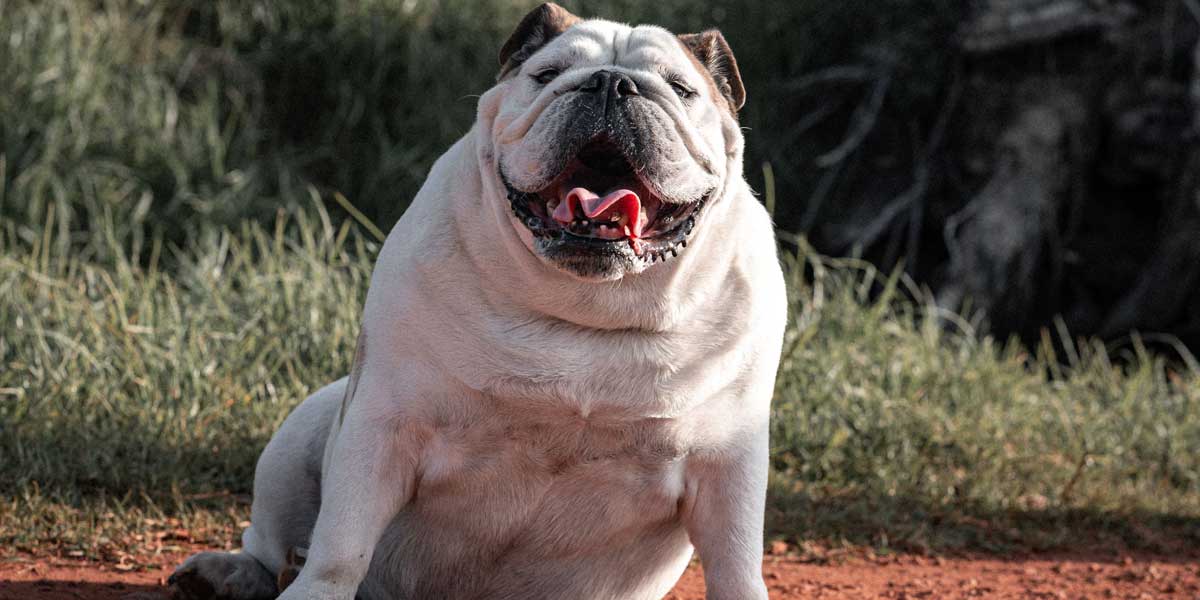
Are you concerned about your pet’s weight? Maybe a veterinarian at your animal hospital in NYC informed you that your furry friend is a few pounds overweight. Or perhaps you have noticed some weight gain over the past several months.
A pet’s weight contributes to their overall health in significant ways. Taking steps to mitigate obesity in animals can help them live longer, happier lives with fewer health complications along the way.
But at what point do cats and dogs become “obese,” and what does this mean for your companion?
What Are the Common Causes of Obesity in Pets?
Most owners of obese pets assume that overeating is the culprit. While this is certainly one cause of obesity in animals, it is not the only one to consider. As in humans, many factors can lead to weight gain in pets, so it’s crucial to approach the issue from all angles.
Lack of Physical Activity
Both cats and dogs require some level of physical activity to maintain a healthy weight. When pets sleep for most of the day and rarely spend more than a few minutes walking or running, their weight can suffer as a result.
While some cats run and play on their own, others need prompting from their pet parents to get into a healthier routine. Playing with a wand toy for at least a few minutes a day can encourage your cat to run around and get their heart rate up.
Meanwhile, dogs especially need regular physical activity to prevent many weight-related issues. Taking dogs on walks, playing fetch, and giving them mental stimulation can all help them stay at a healthy weight. These activities can also benefit you, making them doubly worthwhile.
Overfeeding or Excessive Treats
Eating too much is often a significant factor contributing to obesity in animals. Your vet can tell you exactly how much food your pet needs each day based on their size, breed, current weight, and lifestyle. Overfeeding without significant lifestyle changes is a sure recipe for weight gain.
Feed your pet at designated times and use a measuring cup to give them the correct amount of food. Be conscious of how many treats and snacks you give them throughout the day. If you want to incorporate regular treats into their diet, you may need to decrease their food accordingly.
Some pets are “grazers,” meaning they eat a few bites of kibble at a time throughout the day. If yours is, be sure to monitor how often you add new food to the bowl to avoid overconsumption.
Poor Diet or Too Much People Food
While you may not be overfeeding your furry friend, an unbalanced diet can also cause obesity. Pets need the proper ratio of vitamins and nutrients. Feeding them kibble that contains an unhealthy blend of fillers and preservatives with few nutritious ingredients can contribute to weight gain.
Pets can also gain weight when they eat too much “people food.” Feeding your dog scraps from the table every now and then won’t do much damage, but if you are doing so every day, they will likely put on a few pounds. They will also come to expect it, making it harder to break the cycle.
Certain human foods are nutritious for pets, like carrots for dogs and pumpkin puree for cats. Focus on those foods rather than pizza crusts, cheese, or other high-fat options that may be as attractive to them as they are to us.
Breed and Age
Two factors contributing to obesity in animals are outside pet parents’ control: breed and age. Some breeds are more susceptible to obesity than others. For dogs, these breeds include:
- Labrador retrievers
- Pugs
- Cocker spaniels
- Beagles
- Basset hounds
- Dachshunds
- Golden retrievers
Meanwhile, cat breeds like Maine Coons, British Shorthairs, and Persians may be predisposed to obesity.
Pets’ metabolism also slows down as they age. Older pets may be more likely to gain weight even if they eat the same amount and exercise just as much as they did in youth. However, with age also tends to come a more sedentary lifestyle.
Just because a pet has an increased risk for weight gain does not mean their health is out of your hands. Older pets and the breeds above may need specific diets and more physical activity than the average pet to maintain an ideal body weight.
Certain Medical Conditions
If your pet has been diagnosed with certain health conditions, they may also be at a higher risk of gaining excess body fat. Arthritis, hypothyroidism, Cushing’s disease, joint disease, and pancreatitis can all negatively affect a cat or dog’s weight. These illnesses are double-edged swords; they can naturally lead to weight gain while also making pets more sedentary.
Your Lifestyle and Routine
While it can be hard to come to terms with, your own habits may also contribute to your furry friend’s overall health. Sedentary pet owners often have sedentary pets.
When Is a Pet Considered “Obese?”
A pet’s weight can fluctuate throughout their life due to a range of factors. But when is a pet considered “obese’ as opposed to just mildly overweight?
Generally, veterinary professionals consider pets obese when they are more than 20% above their ideal body weight. A healthy weight depends on the age and breed. For the average cat, a healthy weight is usually between 8 and 12 pounds; they would be considered obese if they weighed more than 14-15 pounds.
You can also look for a few visible signs of obesity in animals:
- If you can easily feel your pet’s ribs when petting them, they are likely a healthy weight. But if you have to press firmly to feel the ribs, they may have a few extra pounds on them.
- You should be able to see your pet’s waist clearly from above. If not, they may be overweight.
- Your pet’s tummy should be tucked in, not sagging. If you notice excess belly fat, especially when the pet is standing or lying down, they may have some excess weight.
The more severe these indicators are, the more likely your pet will be obese. The best way to confirm their condition is to take them to a veterinary medicine doctor for an exam. A vet can assess your furry friend’s overall health and lifestyle, then make recommendations if needed.
Potential Complications of Pet Obesity
Many pet parents know their furry companions are a bit overweight but choose not to stress about it. After all, dogs and cats are endearing creatures, and being a few pounds overweight often makes them even cuter in our eyes.
However, even having a few pounds of extra fat can lead to pet health problems, while obesity puts pets at risk of even more serious conditions. Below are a few potential complications to be aware of.
Heart Disease
Heart disease is the primary risk factor for obesity. When pets are overweight, their hearts must work harder to pump blood throughout the body. This can lead to high blood pressure and hypertrophy. Both issues can increase a pet’s risk of heart failure.
Diabetes Mellitus
When pets are overweight, they have more fat cells than normal. This can lower their insulin sensitivity, eventually leading them to develop diabetes mellitus and insulin resistance. The body must produce more insulin to process the same amount of sugar, placing excess strain on the pancreas. After a diagnosis of diabetes mellitus, most pets can only live for a year or two.
Respiratory Distress
Excess weight can place physical strain on many areas of the body, including the lungs, chest cavity, and diaphragm. A pet may experience difficulty breathing, especially during physical activity. This can be very uncomfortable and lead to lethargy or even collapse due to lack of oxygen.
Cancer
Obesity in pets can also predispose them to cancer. Overweight cats and obese dogs experience chronic inflammation from excess fat cells. These cells secrete harmful chemicals that can lead to tumor growth.
Lower Life Expectancy
Ultimately, overweight pets may not live as long as those with a healthy body mass. If you want to gain the most time with your furry friend, taking steps to treat obesity can lower the health risks above and increase their lifespan.
Tips for Preventing and Treating Obesity in Animals
Pet obesity leads to a range of serious concerns. It can also make mobility challenging for animals, leading to discomfort and pain when walking. The good news is that obesity is often reversible. You can take steps to help your furry friend reach a healthy weight and stay there.
Each pet is different, which is why meeting with a veterinary professional is important to address your companion’s specific condition. A vet can recommend more specific treatments, such as switching to a special diet food, overcoming challenges to physical activity, and addressing certain lifestyle barriers. But these general tips are also a great place to start for the prevention and treatment of obesity.
Take Control of Your Pet’s Diet
You may not have paid much attention to how much your pet eats each day or the amount of people food you give them. Now is the time to start managing their caloric intake closely. Ask your vet how much they should eat each day, and measure out their dry food precisely.
Stick to one or two healthy treats a day only, and avoid people food altogether. You may also need to switch to a higher-quality food with a better balance of essential nutrients and fewer artificial ingredients.
Pets often beg for food, and they can be quite convincing. Avoid giving in to your pet’s demands and stick to predetermined meal and treat times. Eventually, your furry friend will know they can expect their next meal soon, which may lead to less begging.
Try New Exercise Ideas
Maybe your dog doesn’t enjoy walks, or your overweight cat doesn’t seem to respond to wand toys. Try out other exercise ideas until you find something that interests them.
Try playing fetch with your dog’s favorite toy, or work a few shorter walks into your daily routine instead of one longer one. Some cats like tunnels or toys that spin around, while laser pointers (in moderation) encourage chasing behavior. Just be sure that at the end of the session, your cat has the opportunity to actually “catch” a small toy so that the laser does not cause confusion.
Experiment with different forms of play that cater to your pet’s interests. Even older pets can spend a few minutes a day being active to maintain a healthier energy balance.
Take Your Pet for Annual Checkups
If your pet has recently gained a noticeable amount of weight, they may have an underlying condition that requires a professional diagnosis. A vet checkup helps you identify any health concerns and monitor their weight more closely. Arthritis and other conditions that lead to weight gain are best caught in their early stages, allowing for targeted treatment.
Annual checkups are important even if you haven’t noticed any concerns about your furry friend. Sometimes, pets gain weight without us realizing it. Your vet can compare their body composition to the previous appointment and note any changes. They can also ask about your furry friend’s food intake and lifestyle to suggest what you might start doing differently.
Schedule a Physical Exam at Hudson Animal Hospital Today
Have you suspected that your pet is overweight or obese? Hudson Animal Hospital in NYC can help. We have extensive experience preventing, managing, and treating obesity in animals.
We will measure your furry friend’s weight and vital signs, determine their body condition score, and help you understand what this means for their overall health. If your pet is obese or even a few pounds overweight, we will work with you to help them achieve the ideal body condition so they can live a long, happy life. We’re here to support you through your pet’s journey to a healthy weight.
Contact us today at 212-706-4088 to schedule a physical exam.