
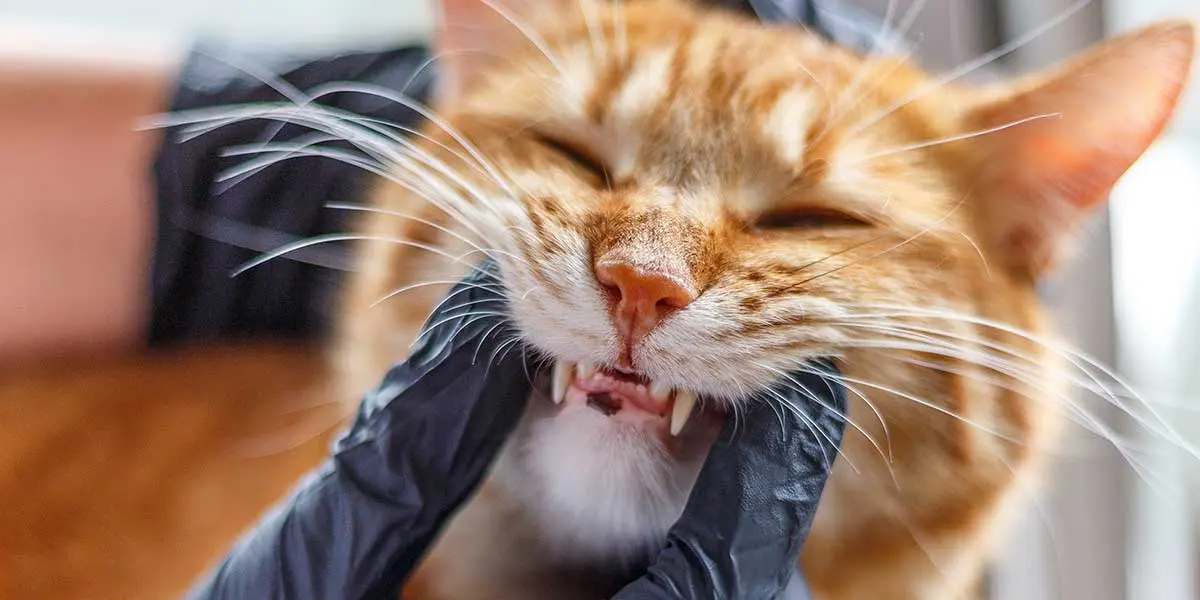
Your cat still comes running at the sound of the food bag. But lately, you’ve noticed a few jaw twitches while eating, or that they drop a few pieces of kibble back into the bowl.
These might seem like minor changes, but they can point to dental issues, including feline tooth resorption. If your cat has been acting a little off at the food bowl lately, don’t brush it aside. A visit to a vet in New York to check your cat’s teeth is important to help them stay healthy and live without pain.
What Is Feline Tooth Resorption?
Tooth resorption in cats happens when the body starts breaking down the tooth itself. The breakdown usually starts at the root, below the gumline, and can spread to the part of the tooth you can see. As the damage progresses, it may expose the nerve or weaken the tooth enough for it to crack. Sometimes a tooth looks like it’s missing even though part of the root is still there.
This form of feline dental disease becomes more common with age, and it can affect more than one tooth. However, vets still don’t know why it happens. Researchers have looked at diets, genetics, and inflammation, but there’s still no clear answer.
The Most Common Signs of Tooth Resorption in Cats
Cats are masters at disguising their pain, so even when your pet has dental issues, they’re likely to demand breakfast at the usual hour. How your cat eats can tell you more than how much food is left in the bowl. Watch for changes like:
- Your cat picks up a piece of food, drops it, then tries again.
- Your cat’s jaw chatters or twitches while it chews.
- Your cat seems hungry but backs away after taking a bite.
- You notice bad breath, more drool than usual, or a little blood around their gums.
- Your cat paws at their mouth or frequently shakes their head.
Some cats with tooth resorption show no obvious changes at home. And the signs you do see can overlap with other mouth problems. That’s why it’s worth a vet visit if you notice any of these issues.
How Vets Diagnose Feline Tooth Resorption
Diagnosing feline tooth resorption requires more than a visual exam, since lesions can hide below the gumline. The tooth can look fairly normal from the outside while the root is falling apart underneath.
Sometimes the first clue is a small red patch where the tooth meets the gum. Gum tissue can grow over the damaged spot, so the tooth may look irritated without having an obvious hole.
Therefore, most cats need dental X-rays under general anesthesia to reveal a problem in a tooth that looked fine during the exam. This is especially important when more than one tooth is affected.
The images can show what’s happening around the roots. In cases of cat tooth loss, an X-ray can help show whether any root remains. Adult teeth shouldn’t just fall out, so a missing one often points to underlying trouble like resorption or gum disease.
What Comes Next?
Feline tooth resorption is irreversible. Once a tooth starts to break down, the best treatment is usually removal, which can relieve pain and prevent further problems. However, if the changes are limited to a root and there’s no sign of pain, the vet may recommend monitoring the tooth with follow-up exams and X-rays.
The right cat dental treatment depends on what the X-rays show. In some cases, the vet may remove the whole tooth, roots and all. In other advanced cases, bone may already be replacing the root. If the exam and X-rays show that it’s safe, the vet may remove only the visible part of the tooth and leave the resorbing root in place. That’s why two teeth that look alike during an exam can end up needing different procedures.
After tooth removal, the vet will provide medication and tips for pain control. Most cats recover quickly from tooth removal and go back to eating happily within days.
Don’t Wait for Your Pet To Show Pain
Regular dental exams help protect feline oral health, especially after a cat has had tooth resorption. Brushing can help control plaque, but no method is proven to prevent feline tooth resorption.
Between visits, watch your cat’s usual eating habits. If something changes, tell your vet, especially if you see a discolored or broken tooth. Call Hudson Animal Hospital at (212) 706-4088 to schedule a dental exam.