
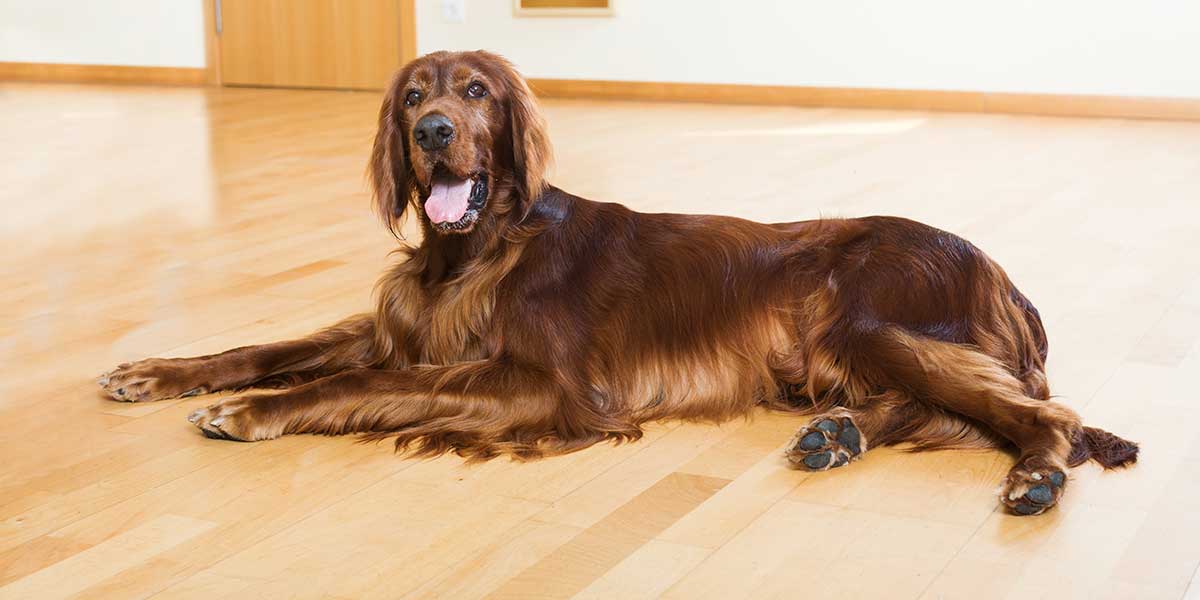
Large dogs are lovable giants, but life with an animal that weighs close to 100 pounds or more requires understanding that they have different needs than a pooch that can fit in a purse. Learning how to care for large-breed dogs before you bring one home can make a lasting difference to their overall quality of life.
Working with an experienced veterinarian in Manhattan can help your four-legged bestie thrive, but to begin, check out this advice on what to expect and how to give them the best possible life.
Bigger Dogs Have Bigger Needs
Understanding how to care for large-breed dogs starts with recognizing that they’re not simply oversized versions of smaller breeds. Their growth patterns, nutritional needs, and exercise routines are different.
For example, breeds like the Great Dane can grow rapidly during puppyhood, placing extra demands on developing bones and joints. But even mixed-breed dogs with large frames often need specialized care at every stage of life to prevent common health issues like joint diseases and heart conditions. A little planning during the early years can keep your pooch happy and healthy even as they get older.
Balanced Nutrition Builds a Strong Foundation for Growth and Healthy Weight Management
Balanced nutrition is one of the most important aspects of caring for large-breed dogs. Large dogs grow quickly, but faster growth isn’t always healthier growth. Feeding your pet a diet designed specifically for large breeds helps support controlled development while providing the nutrients needed for healthy muscles and bones, which is especially important during the growth stages of large-breed puppies.
Quality nutrition is especially important for large-breed puppies. Young dogs need food that’s formulated specifically for their size, with calcium and phosphorus levels calibrated to slow, steady bone growth rather than rapid weight gain. Feeding your puppy an adult formula, or simply feeding more of a small-breed puppy food, can throw that balance off and contribute to skeletal problems down the road.
Portion control is critical. Adult dogs benefit from measured meals rather than a bowl that’s constantly topped off. It can be tempting to offer extra treats or larger meals because of a dog’s size, but just like humans, when a dog consumes too many calories, they can gain unnecessary weight. Treats should be only a small part of the daily calorie intake.
Healthy weight management is one of the simplest ways to protect a large dog’s joints, since every extra pound increases pressure on the hips, elbows, and knees. A dog that stays lean throughout its life is far less likely to develop early arthritis.
Provide Regular Exercise Without Overdoing It
Because joint problems like arthritis are so common among large-breed dogs, owners need to keep their pets’ joint health in mind when exercising them. Regular exercise helps maintain muscle tone, supports cardiovascular health, and contributes to healthy weight management. That said, these dogs’ larger bodies naturally place more stress on bones, ligaments, and cartilage, so it’s best to stick to low-impact activities that don’t place unnecessary strain on developing or aging joints.
Adult dogs typically enjoy longer walks and moderate play sessions, while older dogs often benefit from shorter outings spread throughout the day. Soft surfaces for play, supportive bedding, and training your pet not to jump on and off furniture can also help reduce everyday wear and tear on their joints.
Puppies deserve special attention because their bones are still developing. High-impact activities like excessive running can damage growth plates before they’ve had a chance to develop fully. Regular exercise should be steady and low-impact at first; brisk walks and gentle play can help your pup stay active without damaging their joints.
As your dog develops, watch for subtle changes that may indicate joint problems, such as stiffness after rest, reluctance to climb stairs, or slower movement. Addressing these signs early allows a veterinarian to recommend treatment before minor issues become more serious, including injuries like a torn cruciate ligament that may require prompt orthopedic care.
Large Dogs Need Routine Veterinary Care
Routine veterinary care helps large-breed dogs stay healthier throughout their lives. Preventive care includes vaccinations, dental evaluations, physical examinations, and routine home care tasks like cleaning dog ears to help prevent infections. These appointments also provide opportunities to discuss concerns about your dog’s behavior and health.
Puppies typically need frequent visits during their first several months for vaccines and growth monitoring. Owners can also receive tips on how to care for large-breed dogs during these visits, so their pup stays healthy and happy. Adult dogs usually do well with checkups every six to twelve months.
Senior large dogs often benefit from even more frequent visits. Giant breed dogs like mastiffs are typically considered senior dogs at around six years of age. They need to see the veterinarian more often because they’re at higher risk of developing orthopedic or cardiac conditions. Regular wellness visits ensure they’re caught early.
Training That Keeps Everyone Safe
Large-breed dogs are generally calm, but even the friendliest pooch can be a menace if it doesn’t learn leash manners and basic commands. Early, consistent training matters just as much for gentle giants as it does for high-energy toy breeds.
Training your pet to respond to basic commands like sit, stay, and heel should start when they’re a puppy. They should be second nature well before a dog reaches full size and strength. Positive reinforcement works best, and starting young makes the process far smoother for everyone.
Give Your Big Dog the Care They Deserve
From following practical guidelines for new puppy parents to protecting your pooch’s joints, you can do a lot to ensure your companion lives a long, happy life. Learning how to care for large-breed dogs is all about building healthy habits that support every stage of life.
For expert care and guidance tailored to the needs of large dogs in New York City, contact Hudson Animal Hospital at (212) 706-4088 to schedule a wellness appointment. The experienced team is dedicated to helping families understand the needs of large-breed dogs and to providing compassionate care at every stage of life. Whether you have a new puppy or you’re caring for a beloved senior dog, we’re here to provide professional support.