
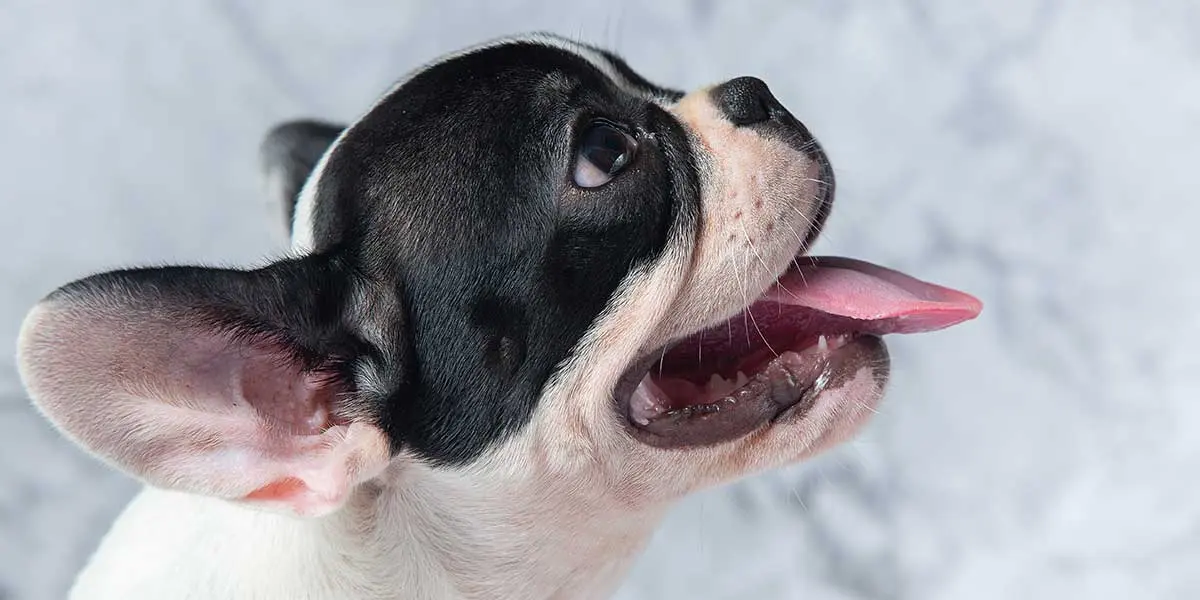
Are you concerned that your dog is having trouble breathing? Dogs might breathe fast for a range of reasons, some of which are perfectly normal. But it never hurts to research new symptoms you’ve noticed in your pup and contact a veterinarian for guidance.
If you’re asking, “Why is my dog breathing fast?” read ahead to learn potential causes and when to be concerned.
How Choosing the Right Veterinarian in Manhattan Supports Your Pet’s City Lifestyle
If you’re a pet owner in NYC, choosing a trusted veterinarian in Manhattan is an important step in taking the best care of your furry friend. Veterinary professionals provide routine, preventive care, diagnose conditions, and treat ailments so your pet can live a long and healthy life.
If you have noticed your dog breathing faster than normal or experiencing any other new symptoms, visiting a veterinarian in Manhattan is a wise next step. They can rule out any potentially serious conditions and prescribe medications or other treatments to help your pup start feeling better. In many cases, new symptoms indicate only minor, temporary problems, but visiting a vet can give you significant peace of mind.
When Is It Normal for Dogs To Breathe Fast?
Dogs breathe fast during their daily life for a few different reasons. You may notice panting in dogs after exercise or when they are trying to cool down. Dogs do not sweat efficiently like humans, so panting is a way for them to circulate air through the body and decrease their body temperature. Remember that dogs can become hot faster than humans, especially when they have thick coats.
Dogs might also pant when they are experiencing an intense emotional state, such as stress, fear, or excitement. Finally, you might notice a dog breathing rapidly or unevenly when they are in REM sleep, indicating that they are dreaming.
Panting usually subsides within a few minutes, once a dog has had time to cool down and relax. However, panting is different from heavy breathing or labored breathing, either of which may signal distress.
Potential Reasons Your Dog Is Breathing Abnormally Fast
When a dog is panting, they take short, shallow breaths with an open mouth. Meanwhile, heavy breathing is fast and labored, often causing a dog’s belly and chest to move. You may notice your dog exerting extra effort to breathe.
Rapid breathing in dogs is normal after exercise, but if your dog is breathing faster than normal for no obvious reason, they may be experiencing a medical concern. Count your dog’s breaths per minute. A normal dog breathing rate is between 15 and 30 breaths per minute; a number higher than 30 indicates an elevated respiratory rate that may be cause for concern.
Your dog could be breathing fast due to a wide range of underlying health problems, such as:
- Allergic airway disease
- Kennel cough
- Parasites
- Lung diseases
- Smoke inhalation
- Windpipe issue
- Bronchitis
- Heartworm disease
- Left-sided congestive heart failure
Due to the wide range of health conditions that can cause rapid or heavy breathing, seeing a veterinarian is often necessary. A vet can assess your dog’s health, review other symptoms, and pinpoint the cause of their new breathing patterns.
Types of Heavy Breathing in Dogs and What They Indicate
If you are concerned about your dog breathing faster than normal, you can evaluate the type of heavy breathing they are exhibiting and look for other symptoms that may point to the cause of this new issue.
- Labored breathing is generally considered a medical emergency. You may notice other signs, such as coughing, pale or gray gums, and fluid leaking from the nose or mouth. Your dog may also stretch their neck in an attempt to take a deep breath.
- Rapid breathing occurs when a dog’s respiratory rate is higher than 30 breaths per minute. Evaluate their respiratory rate while they are sleeping or resting, and visit a veterinarian as soon as possible if this rate continues.
- Breathing from the stomach could be a sign of congestive heart failure, bronchitis, or fluid around the lungs. Watch your dog’s abdomen and note if it pushes out as your dog exhales.
- Heavy breathing from the nose often happens when a dog is excited, stressed, or recovering from exercise, but if you notice this while they are resting, they may be overheating or in respiratory distress,
- Breathing heavily with a stuffy nose may happen if your dog is experiencing nasal congestion. Other symptoms, such as nasal discharge, chronic sneezing, bulging eyes or sinuses, and changes in appetite, could indicate an infection or environmental irritants that are causing respiratory symptoms.
When Fast Breathing Is a Veterinary Emergency
Noticing your dog breathing fast for a few minutes before they calm down and return to their normal respiratory rate usually isn’t cause for concern, though you may want to keep an eye on their breathing patterns to note any ongoing problems. However, there are certain instances in which a dog breathing fast may be considered a veterinary emergency.
If your dog is experiencing heavy, fast, or labored breathing while at rest, and you notice any of the following signs, visit an emergency veterinarian as soon as possible:
- Standing with an outstretched neck
- Changes in the color of the gums
- Lethargy
- Weakness or collapsing
- Pacing
- Reluctance to eat, drink, or move
- A swollen belly
If your dog is experiencing other critical problems, such as choking or seizures, you may need to follow these pet emergency tips to administer first aid before taking them to a veterinary hospital.
Consult Hudson Animal Hospital Today
Why is your dog breathing fast? Whether your dog is panting after a play session or experiencing labored breathing at rest, noticing changes to their breathing can be stressful. Respiratory distress in dogs is considered an emergency, while mildly fast breathing could be a sign of a new, underlying medical condition that needs to be addressed.
Hudson Animal Hospital provides comprehensive veterinary care in NYC, including preventative care, illness diagnosis, and treatment. Contact us today at 212-706-4088 to request an appointment.