
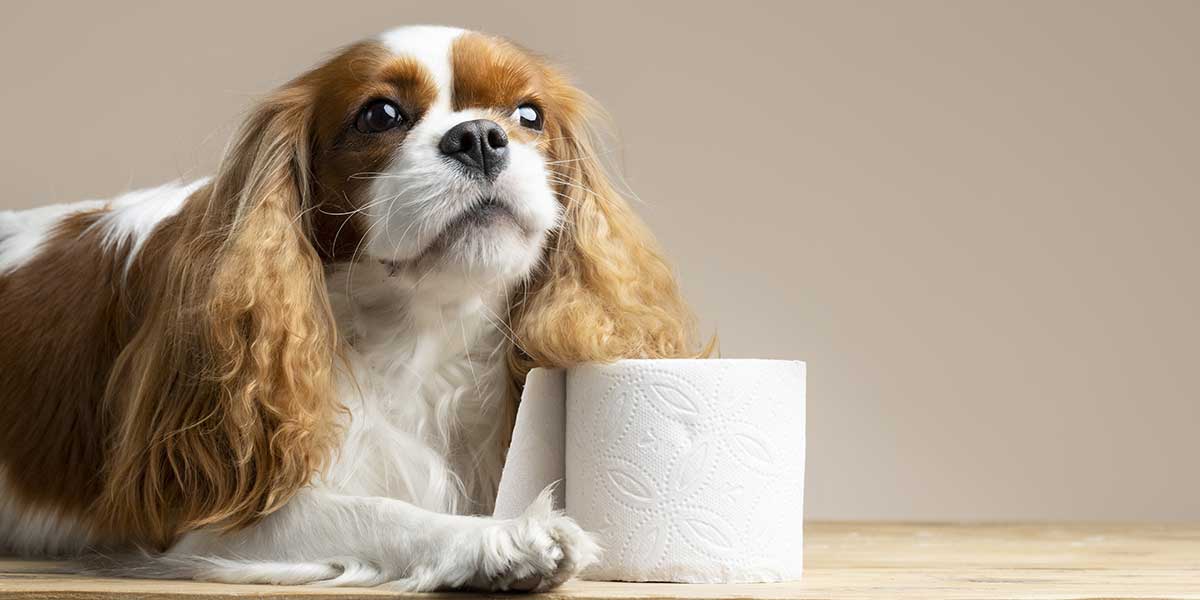
Stomach issues are never fun for pets or people.
Unexplained diarrhea in pets can be especially concerning. Often, the condition is a normal reaction to minor digestive issues. However, if the symptoms are severe and prolonged, it is essential to visit your local veterinary hospital to seek treatment, as prolonged diarrhea can be a sign of a serious condition or lead to dehydration and other worrying complications.
The condition can affect dogs and cats; therefore, all pet owners need to understand the possible causes and treatments. Many of the underlying causes are preventable or manageable with proper care and early identification.
What Are the Symptoms of Diarrhea in Cats and Dogs?
Diarrhea is a condition where excess water appears in the stool. It may appear alongside other symptoms of gastrointestinal distress, such as vomiting or apparent discomfort. The condition affects cats and dogs with approximately the same frequency, but specific breeds within each species may be more prone to digestive issues.
Pet parents can reference the seven-point scale veterinarians use to assess their pet’s stool, with a score of one representing very hard stool and a seven representing watery diarrhea. Scores from four to seven are considered diarrhea in varying degrees of severity, with a score of seven applying to stool that puddles. Generally, stool that is abnormally moist and shapeless is cause for concern, particularly if it is severe enough that your pet appears to be in serious discomfort when passing stool.
Diarrhea can either be acute (one or more episodes lasting less than 14 days) or chronic, which may be more common in cats than dogs.
What Are the Most Common Causes of Diarrhea in Pets?
Diarrhea occurs either when the colon fails to absorb water on its way through the intestines or when the large intestine secretes excess water. This can happen in cats and dogs for various reasons, and some of the most common causes are:
Dietary Indiscretion: Accidental Ingestion, Intolerances, and Food Poisoning
Despite the best efforts of pet owners, sometimes cats and dogs get into foods they shouldn’t. Certain “human foods” can cause diarrhea, as can expired or spoiled pet foods. Pets can also contract food poisoning from items contaminated with E. coli or Salmonella.
Additionally, the symptoms may be the result of a food intolerance. Just as people can have allergies and inflammatory reactions to certain foods, pets can struggle to digest certain ingredients. For instance, dogs may be intolerant to chicken, beef, or dairy.
Diarrhea may also occur after a sudden change in diet, even if your pet has no known allergies.
Emergency Blockages in the Digestive Tract
If a pet swallows a non-consumable toy or other item, it can cause urgent obstructions in the gastrointestinal tract. Blockages may also result from conditions such as bloat or intestinal folding. The diarrhea will typically occur alongside vomiting, apparent pain, lethargy or restlessness, and a refusal to eat or drink.
A suspected blockage is cause for an emergency veterinary hospital visit, as these conditions can quickly become life-threatening.
Gastrointestinal Infection or Intestinal Parasites
Certain bacterial and viral infections (such as parvovirus) can lead to the development of gastroenteritis (inflammation in the gastrointestinal tract) and diarrhea. Fungal infections can also cause these conditions, with Histoplasmosis being most common in dogs. These infections can progress quickly without treatment and may impact other organs, such as the lungs, lymph nodes, liver, and spleen.
Additionally, cats and dogs may be struggling with intestinal parasites. Pets usually pick these up by sniffing, licking, or eating matter that contains parasite eggs (such as the feces of another animal). Parasitic infestations, like other types of infection, can spread between pets.
Inflammatory Bowel Disease (IBD) or Other Systemic Illnesses
Dogs and cats can struggle with IBD or chronic conditions affecting the liver, kidney, or endocrine system (such as Addison’s disease). These conditions may cause chronic diarrhea without an apparent trigger, such as food or disease. It is vital to seek early diagnosis as soon as patterns of diarrhea exceed 14 days because these systemic illnesses can cause significant complications and may be very uncomfortable to manage without proper treatment.
Other significant illnesses, such as cancers or liver and kidney diseases, can cause diarrhea or vomiting, sometimes accompanied by bloody stools. Any noticeable tumors or bloody stool is a major warning sign that pet owners should be aware of and seek treatment for promptly. If blood is present in the diarrhea of small dogs, it may be due to hemorrhagic gastroenteritis (HGE), a life-threatening condition that demands urgent care.
Medication Use and Accidental Toxin Ingestion
If a cat or dog is taking a new medication, they may struggle with diarrhea in the first few days. This effect is especially common with antibiotic use and is usually nothing to worry about as long as the animal stays hydrated, the medication is vet-recommended, and you carefully monitor any new reactions.
Your pet may also accidentally ingest a toxin or medication that is unsafe for animal use, such as an NSAID. Exposure to these substances can cause diarrhea and vomiting but may also lead to seizures and organ failure in high doses. If you suspect your cat or dog has encountered something dangerous, it is always better to be safe than sorry and seek a veterinary diagnosis.
Environmental Stress and Anxiety
Pets experiencing new stress or anxiety may struggle with excessive urination or diarrhea, and cats, in particular, may have “accidents” in unusual places away from their litterbox. Digestive upset is common in pets undergoing major changes, such as a move, a death in the family, or a traumatic event (such as an attack by another animal). These symptoms can be worrying but will usually subside with the right support over time.
Once a check-up confirms that nothing more serious is lurking beneath the surface, pet parents can take steps to reduce stress and keep their pet nourished and hydrated until the issue passes.
How To Manage Mild Diarrhea Symptoms in Pets and When To Call a Vet
Sudden diarrhea is always worth a call to your vet, but it might not always require an emergency visit. It is essential to consult an expert about your pet’s condition to receive care instructions and have the veterinarian verify that none of the accompanying symptoms are of major concern.
If other symptoms do not accompany the diarrhea, it is a one-off incident, or if the stool is only somewhat softer and not puddling, you can usually manage it at home with a few simple remedies. First and most importantly, you should carefully monitor your pet’s hydration and ensure they are taking in enough fluids. Your vet may recommend an oral rehydration solution, or you can consider adding extra hydration, such as bone broth, to their meals.
Ensure they consume plenty of fresh water and seek veterinary intervention if they stop drinking any water.
Next, it is best to temporarily offer pets a bland diet while their digestion is still upset. Consider boiled chicken, scrambled eggs (no salt or seasonings on either), or canned pumpkin. Keep meals much smaller and avoid overdoing it with any one ingredient.
If the diarrhea persists and your pet has multiple incidents over a few days, consider adding a probiotic to their diet to help restore balance to their gut microbiome. Your veterinarian can usually recommend a supplement that is safe for your pet and provide guidance on the dosage.
Contact a Veterinarian If You Notice Severe Symptoms
If the diarrhea is severe, accompanied by other signs of distress, or fails to resolve within a few days, it is essential to seek urgent veterinary care. Some conditions that cause diarrhea, such as gastrointestinal blockages, can be life-threatening, and early intervention is key to saving your beloved pet. Look out for worrying symptoms alongside diarrhea, such as:
- Vomiting
- Apparent dehydration or inability to keep water and food down
- Excessive whining and panting in dogs or distressed meowing in cats
- New aggression, including biting, hissing, scratching, and barking (especially when you touch your pet’s abdomen)
- Hiding (more common in cats)
- Restlessness and pacing
- Intense lethargy and disinterest in play or affection
If your pet is not acting like their usual self, the diarrhea may be indicative of a more serious issue that needs prompt treatment.
How Do Veterinarians Diagnose the Underlying Causes of Diarrhea?
A veterinarian will uncover the root cause of your dog or cat’s diarrhea through a systematic approach. First, they will assess your pet’s history and ask you about their diet, home environment, and any recent travel or other life changes. It is essential to document the onset and frequency of diarrhea, as well as any other associated symptoms.
The veterinarian will then conduct a physical examination to evaluate your pet for dehydration and pain and search for any noticeable obstructions or masses. They may require additional imaging, such as X-rays or ultrasounds, to identify blockages. Fecal analysis and bloodwork can reveal more about the presence of parasites, infections, and markers of systemic illnesses.
What Are the Treatment Options for Severe Cases?
The best treatment for diarrhea will depend on its underlying cause. As a baseline treatment, the veterinarian will typically begin with hydration therapy through intravenous fluids.
Obstructions by a foreign object or tumor will often require surgery and careful monitoring during the recovery process. Treatment for bacterial, viral, or fungal infections is typically medication and continued hydration. Chronic illnesses may require more complex treatments, including ongoing medications and adjustments to your dog’s diet and lifestyle (for example, reducing exercise intensity).
If the cause of the diarrhea is stress or anxiety, pet parents need to identify and eliminate their pet’s stressors or work toward desensitization through gentle training. Pets struggling with food sensitivities should start a simpler diet that avoids allergens and known triggers, and pet parents should exercise caution when introducing new treats or foods. Pets reacting poorly to antibiotics may need an alternate treatment or complementary medicine for digestive relief. However, it is important for pet parents to continue any prescribed treatment until a veterinarian directs otherwise, as stopping antibiotics mid-course can cause complications and increase the risk of antibiotic-resistant infections.
Finally, if the diarrhea results from exposure to toxins or unsafe medications, the veterinarian may induce vomiting in the animal and sedate them or provide medications to manage seizures or other symptoms until they are stable and safe.
How To Prevent Future Cases of Diarrhea
Those interested in preventing diarrhea in their pets can take simple steps to keep their furry friends healthy and safe. Some of the most impactful actions are:
- Buying the correct-sized toys and monitoring play to avoid ingestion of a foreign object
- Securing trash cans and lower cabinets against curious pets
- Storing dangerous food, medication, and waste out of reach for your pets
- Verifying whether plants and cleaning supplies are pet-safe before purchase
- Introducing dietary changes slowly with veterinarian approval
- Training your pet not to smell or lick other animals’ feces
- Taking steps to minimize stress during major life transitions (an animal behaviorist or professional trainer may be helpful)
It is not always possible to prevent your pet from experiencing diarrhea, but these steps, combined with a healthy lifestyle, can significantly reduce the likelihood and frequency of these events.
Trust Hudson Animal Hospital With Your Pet
Hudson Animal Hospital offers comprehensive pet care in the Upper West Side of Manhattan, New York. Our knowledgeable care team offers unparalleled support to pets and their owners, and we are always ready to respond promptly to any questions or concerns about your pet’s condition. We understand it can sometimes be hard to tell when to visit a vet, but persistent or severe diarrhea requires an examination to ensure your pet’s health and safety.
Our team has experience treating a range of conditions across various breeds, and we utilize the most advanced tools and techniques to diagnose and treat your beloved pet. Call 212-706-4088 to schedule an appointment today.