
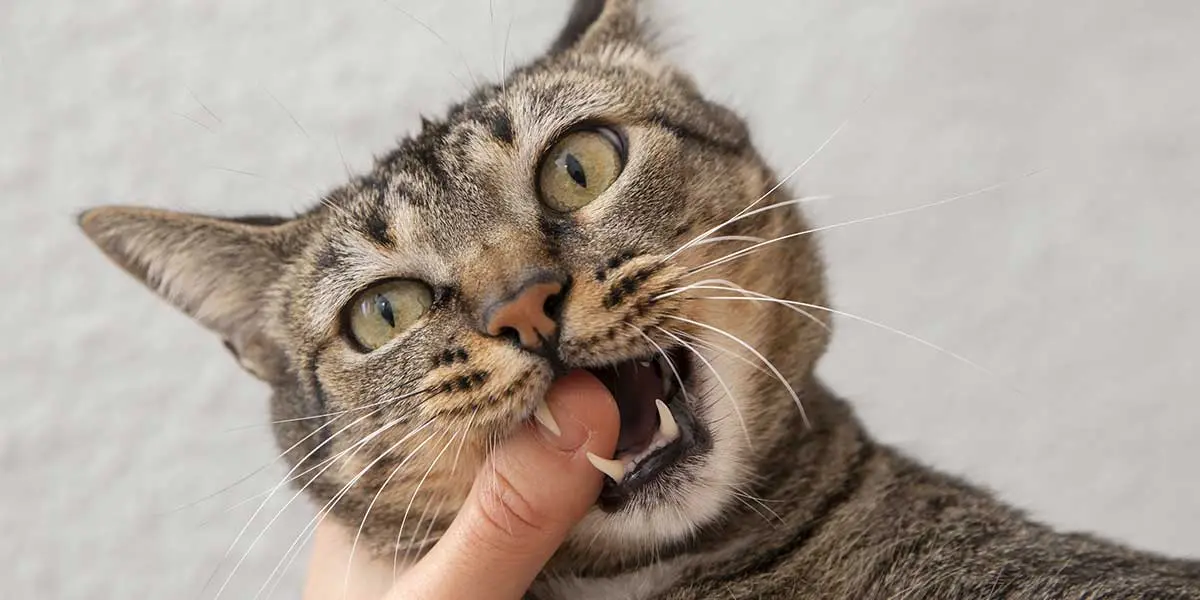
Finding a few stray whiskers lying around the house doesn’t warrant much concern as a cat owner. But what if you find a full tooth? Even worse, what if it’s a fang tooth?
Cats use their canines to grip down on their food, attack prey, and defend themselves. These four curved, dagger-like teeth extend from the jaw in a distinctive manner, and they are not meant to fall out and grow back at any point in a cat’s lifecycle. Knowing what to do when a cat loses a fang tooth is incredibly important for protecting your pet’s health and comfort in case this ever happens.
Below, our veterinarians in New York explain why cats might lose their canines and how to act appropriately.
Why Might an Adult Cat Lose Its Fang Tooth?
A cat losing a canine tooth is an immediate warrant for concern. Fang teeth can fall out from recent trauma or ongoing disease, with some causes being more severe than others. Let’s look at some of the most common culprits.
Feline Dental Trauma
If your cat suddenly has a missing fang tooth, trauma is often the reason. A bad fall, a scuffle outside, or even biting something too hard can lead to a broken canine tooth or a full loss.
An oral injury in a cat isn’t always obvious right away, as cats are good at hiding their pain. Keep an eye out for drooling, pawing at the mouth, or reluctance to eat, as these may be signs of pain.
Periodontal Disease
This is one of the most common dental issues in cats, and it can quietly do a lot of damage. Over time, plaque and bacteria build up under the gums, weakening the structures that hold teeth in place. Eventually, even a strong tooth can loosen and fall out, sometimes without dramatic warning signs.
Tooth Resorption
Tooth resorption is a strange and surprisingly common condition where the body starts breaking down parts of the tooth from the inside. It’s not always visible until it’s advanced, and it can be pretty painful. In some cases, the tooth becomes so compromised that it fractures or falls out entirely.
Severe Decay
Cavities aren’t talked about much in cats, but they do still happen. When a tooth deteriorates enough, it loses its strength and stability.
A fang affected by advanced decay may loosen or crumble over time, eventually falling out. You may also notice signs like bad breath or difficulty chewing.
What To Do Next
Figuring out what to do when a cat loses a fang tooth can feel a bit alarming in the moment, but staying calm helps you take the right steps. First, check your cat’s mouth if they’ll allow it. Look for bleeding, swelling, or anything stuck near the gumline. Try not to handle the area too much, since it may be painful.
Even if your cat seems fine, this isn’t something to brush off. Situations like this often call for emergency veterinary care, especially if the tooth was lost suddenly or if there are any signs of pain.
Your provider will likely recommend a veterinary dental examination to figure out the cause and check for hidden damage or infection. Acting quickly can make a big difference in your cat’s comfort and long-term oral health. Maintaining regular hygiene is the best defense against tooth loss. Following simple at-home dental care practices can help keep your cat’s mouth healthy and catch potential issues before they become emergencies.
Signs of Infection in a Cat’s Mouth
Catching the signs of infection or issues like gingivitis before a tooth falls out can make things a lot easier to treat and far less uncomfortable for your cat. Mouth infections tend to build gradually, but once they take hold, they can cause serious pain and even spread. Paying attention to small changes in behavior or appearance can help you step in early.
Keep an eye out for things like:
- Bad breath that seems stronger than usual
- Red, swollen, or bleeding gums
- Drooling more than normal
- Trouble chewing or avoiding food altogether
- Pawing at the mouth or face
- Visible discharge or swelling around the mouth
If oral pain discourages your cat from eating or drinking, monitor their intake closely, as reduced appetite is often one of the common cat illnesses that requires veterinary attention to ensure your cat remains properly nourished and hydrated. If you notice any of these, it’s worth getting your cat checked sooner rather than later.
Keep Your Cat’s Oral Health in Check by Scheduling a Vet Visit Today
Now you know what to do when a cat loses a fang tooth, but hopefully you never have to deal with this tough situation. Either way, our team at Hudson Animal Hospital is here to help with compassionate veterinary care. Whether you’re concerned about your cat’s teeth being yellow and want to schedule an oral health exam or need emergency veterinary care for a trauma injury, give us a call at (212) 706-4088.