
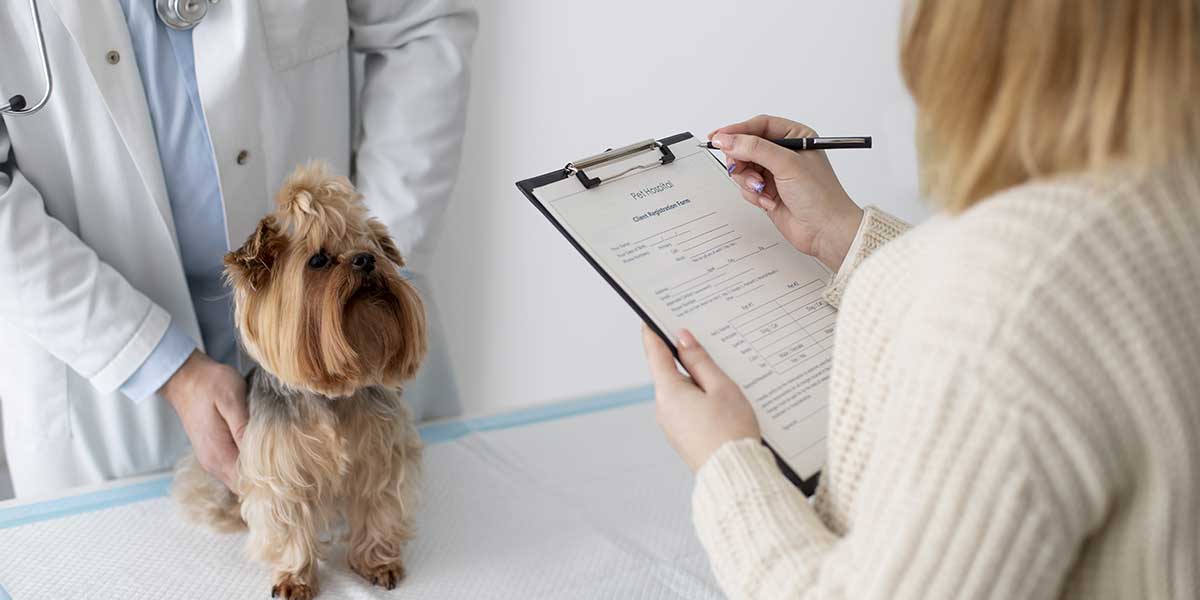
Bringing home a new pet is exciting, but it also comes with important responsibilities. One of the first is establishing a relationship with a veterinarian. Whether a playful puppy or a curious kitten has joined the family, a visit with a trusted vet in New York City builds the foundation for lifelong health.
Even if you’ve had pets before, knowing what to expect during a pet’s first wellness exam can make the experience easier for both you and your pet.
Why the First Visit Is So Important
The first pet wellness exam isn’t just for vaccines or a quick checkup. It helps establish a relationship and the foundation for future visits. Not only is the veterinary team meeting your pet and getting to know its personality, but they’re also conducting a baseline health assessment. Knowing what’s “normal” for your pet can help the doctor create a plan for their future health needs.
The first appointment also allows owners to ask questions about caring for their new friend. Even experienced pet owners learn helpful tips about things like feeding that make caring for a new companion a little easier.
Making this experience as calm and positive as possible is a priority. Many pets are nervous in a new environment, so patience and gentle handling go a long way toward helping them feel comfortable.
A Comprehensive Look at Your Pet’s Health
One of the most important parts of the first pet wellness exam is the comprehensive physical examination. The veterinarian checks the eyes, ears, nose, mouth, skin, coat, heart, lungs, joints, and abdomen for any signs of illness or developmental concerns.
Weight control is important for all pets, so the exam includes recording your pet’s weight to track growth over time. For example, the average weight of cats at maturity is between eight and 10 pounds, so keeping track of your kitty’s size at different life stages can indicate whether growth is on track. Every pet develops at its own pace, but routine monitoring makes it easier to identify changes before they become bigger problems.
Reviewing Medical History and Planning Ahead
Every first pet wellness exam also includes a thorough medical history review. If the pet came from a breeder, rescue, or shelter, the vet will want to review any available records. Knowing the animal’s history and any existing health issues helps them recommend next steps.
The veterinarian may also discuss future milestones, including spaying or neutering and behavior training. These conversations give owners a roadmap for keeping their pets healthy as they grow.
Preventing Problems Before They Start
Creating a personalized vaccination schedule is an important part of preventive care for young pets. At the first pet wellness exam, the vet will walk through a vaccination schedule tailored to the animal’s age and lifestyle. All pets need a series of core vaccines, including rabies and distemper. Other vaccines, such as those for Bordetella (kennel cough), are typically necessary only for pets that will spend time around other animals.
Pets also need protection from common parasites and hidden illnesses. Veterinarians typically recommend parasite prevention to guard against fleas, ticks, heartworms, or intestinal parasites. This usually occurs during diagnostic testing to catch problems before symptoms appear. For young animals especially, a quick parasite screening is often part of the standard visit rather than an extra step.
Leaving With Confidence
Pet parents can expect to receive a customized preventive care plan for their new pet that’s based on the pet’s age, breed, lifestyle, and current health. This plan may include recommendations for nutrition, exercise, follow-up visits, vaccinations, and ongoing wellness screenings. Cats in particular benefit from consistency, since the risks of skipping cat wellness visits include undetected dental disease, hidden weight changes, and parasites that go unnoticed until they cause bigger problems.
The goal of the visit is to help you feel confident about caring for your pet and stay on track with future wellness appointments. Building a relationship with the veterinary team early makes future appointments less stressful and helps pets become comfortable with regular checkups.
Appointments go more smoothly when you remember to bring your animal’s records (if you have them) and jot down questions beforehand. Be sure to note any unusual behaviors or concerns so the veterinarian can investigate and help you support your pet’s well-being.
Ready to book your pet’s first pet wellness exam? Hudson Animal Hospital is here to help New York City pet owners get started on the right foot. Call (212) 706-4088 to schedule a visit today.