
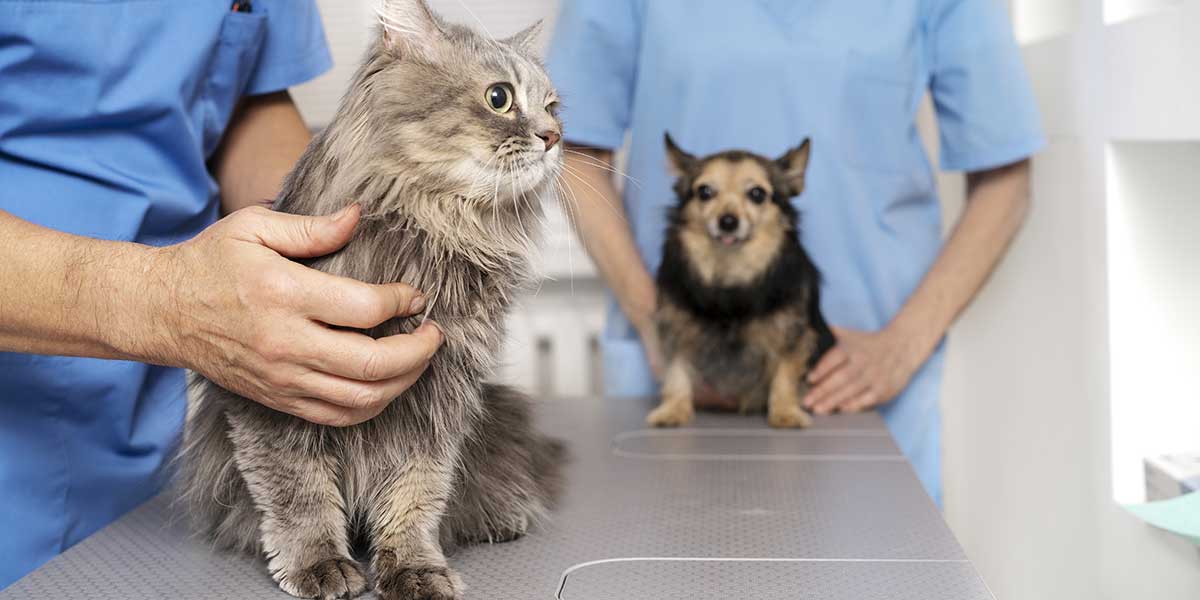
Animal shelters and other pet adoption services always let prospective pet parents know if an animal has been spayed or neutered. What exactly do these terms mean, and why are they important for your pet’s health? Our team at Hudson Animal Hospital, a leading animal hospital in Manhattan, is here to answer these questions and more.
Discover the many benefits of spaying and neutering pets in this comprehensive guide.
What Are Spaying and Neutering?
Uninformed pet parents may use these terms interchangeably, but they’re each a distinct surgery involving an animal’s reproductive organs. Spaying impacts female dogs and cats and may involve any of the following sterilization procedures:
- Hysterectomy: Veterinarians remove the animal’s uterus and part of their fallopian tubes to prevent reproduction.
- Ovariectomy: Experts could remove the pet’s ovaries, which are responsible for distributing various sex hormones.
- Ovariohysterectomy: In this procedure, veterinary professionals remove the ovaries, uterus, and fallopian tubes. It’s the most common sterilization technique for female pets.
As for male dogs or cats, they undergo a neutering procedure called an orchiectomy, which involves removing the animal’s testicles. An alternative procedure is a vasectomy, where doctors remove the tubes that carry sperm to the testicles.
Each of these veterinary procedures is meant to prevent animals from breeding, but they also come with a host of benefits for the four-legged creature and their human companion.
Top Six Benefits of Spaying and Neutering Pets
Opting to spay/neuter a pet is worthwhile, but few people understand the impact these procedures can have on both their lives and the animals. To help you make an informed decision, check out the ample benefits of spaying and neutering your furry friend.
1. Your Pet’s Life Expectancy Increases
One of the most heartbreaking parts of being a pet owner is that your animal may only be in your life for a few short years. While a spay or neuter procedure won’t give your pet the same life expectancy as a human, it can help them live a few more years under your loving care.
Dogs who undergo these procedures can increase their life expectancy by one to three years, while cats may live an extra three to five years as a result. How does removing reproductive organs help an animal live longer? Keep reading for more insight.
2. The Surgery Prevents Reproductive Health Problems
By removing key parts of an animal’s reproductive system, you’ll prevent some potentially life-threatening health issues. A pet’s sex organs can be prone to harmful diseases, which may shorten their lifespan. Promote a healthier life for your best friend by having them spayed or neutered.
These procedures can prevent several types of cancer and common health concerns, including:
- Prostate problems, such as benign prostatic hyperplasia
- Testicular cancer
- Uterine cancer
- Uterine infections
- Mammary cancer
- Breast tumors
Not only will you have a healthier pet in your care, but you’ll also save money in the long term on related veterinary expenses.
3. Animals Become Less Likely To Roam
The health benefits of spaying and neutering extend even further, particularly for owners of male dogs. To find a mate, male dogs will search high and low, using their strong nose to guide them to the scent of intact females. The dog’s sex hormones drive their desire to find a mate and could lead the animal to roam into unknown territory.
While some dogs return home unscathed, it’s not always a guarantee that yours will. They could roam into traffic and risk getting hit or even come home with dog bites after getting into a fight with other aggressive males. Err on the side of caution and neuter your loyal companion to keep them close to home.
4. The Procedures Prevent Spraying and Marking
By altering an animal’s sex hormones, you could end up with a cleaner home. Male pets are naturally territorial and may mark their space by urinating in several areas around the house. Leaving them intact increases the risk of marking, which can leave you with a smelly mess to clean up.
Female cats who haven’t been spayed are also prone to urinary incontinence, particularly when they go into heat. In an effort to attract a male for breeding, your feline friend may urinate in the open and yowl loudly. Spaying your cat means they won’t go into heat, and you can prevent these issues.
5. You’ll Reduce Aggressive Behavior
If you worry about behavior problems with your pet, a spay or neuter surgery is a great way to prevent undesirable behaviors. Animals who undergo these procedures may become more affectionate and easier to train. Take advantage of the medical and behavioral benefits of spaying and neutering pets.
6. Spaying and Neutering Keep the Pet Population Under Control
Does your heart ache seeing the unwanted dogs and cats in a shelter? Are there strays wandering around your neighborhood that you wish had a loving home? An abundance of homeless animals is often a direct result of having unsterilized pets.
Dogs and cats alike can produce multiple litters throughout their lifetime. In fact, a female cat can be impregnated every 62 days if she’s not spayed. To control the pet population, it’s crucial that you schedule a spay or neuter procedure for your furry friend.
This one-time event can help reduce the burden on local shelters that take in unwanted litters. Some animals who cannot find homes may even be euthanized if the shelter doesn’t have enough space. By altering your pet, you can rest easy knowing they won’t add to the overgrown animal population.
Are There Risks to Spaying or Neutering a Pet?
Now that you know the benefits of spaying and neutering pets, you might be wondering if there are risks involved. After all, these are major surgeries that are typically performed on young animals. Is it safe to let your beloved companion undergo such a procedure?
While every surgery comes with risks, veterinarians perform countless spay and neuter procedures each year. Your veterinary team will keep the animal sedated with general anesthesia and pain medications. The surgery itself is fairly low-risk, but there are a few things to keep in mind once the animal’s reproductive organs are gone.
Consider the following and discuss your concerns with a veterinarian.
- Increased risk of obesity: The procedure won’t directly cause pets to gain weight, but it could impact their energy level and appetite. Your veterinarian can provide tips for helping your dog or cat maintain a healthy weight.
- Urinary incontinence: While neutered pets won’t mark their territory, spayed dogs could experience urinary incontinence.
- Adverse behavioral changes: Spaying and neutering typically reduce aggression problems. However, they may also make some animals more fearful or anxious.
- Potential cancer risks: You can reduce the risk of mammary cancer and other reproductive-related conditions by altering your pet. However, they may be at risk for other types of cancer, such as osteosarcoma.
- Joint health concerns: An animal’s joint health may be affected after the removal of its sex organs.
Many veterinarians agree that the benefits of spaying and neutering animals far outweigh the potential risks. If you’re on the fence about moving forward with surgery, talk with a veterinarian about your concerns, and they can recommend the best course of action.
When Should You Schedule a Spay or Neuter Procedure?
When is the best time to spay or neuter a cat? Experts recommend early intervention in felines. It’s wise for kittens to undergo gonad removal by the time they’re five months of age.
If you have a female kitten, try to schedule her spay surgery before her first heat cycle. Doing so reduces the risk of breast cancer, uterine infections, and other health issues.
Dog owners have a bit more flexibility when it comes to scheduling these procedures. Finding the ideal time to spay or neuter man’s best friend depends on several factors, including:
- Their breed
- Their age
- Underlying health issues
- Their personality
- Their role
A calm, one-year-old Labrador retriever training to be a service animal may have a different timeline for surgery than a hyperactive, four-year-old German shepherd family dog. Consult your veterinarian to determine the best time to have your dog undergo sterilization.
Pet Care Tips Before They Undergo a Spay or Neuter Surgery
If you’re ready to reap the benefits of spaying and neutering, you may want to jump right in and schedule the procedure with your local veterinarian. However, there are a few pre-operative tips to keep in mind. Experts urge pet owners to take the following measures:
- Take note of health concerns: Doctors won’t perform surgery unless pets are in good health. Mention any new symptoms they may be experiencing, such as sneezing, runny eyes, vomiting, or diarrhea.
- Provide vaccination records: If your animal is up to date on their shots, give the veterinary clinic those records for their documentation.
- Withhold food and water on the day of the procedure: You must limit your pet’s food intake before surgery in case complications arise. Vets typically recommend withholding food and water beginning at midnight on the day of the procedure.
How To Help Your Pet Recover From Their Procedure
Whether you book the procedure at a low-cost spay and neuter clinic or bring them to the office where you receive all of your veterinary services, professionals will have a detailed set of post-operative instructions for you. These include:
- Keep your pet calm and comfortable: Animals need time to rest and relax after surgery. Except for bathroom breaks, keep them indoors in a quiet, comfortable space.
- Avoid interactions with other animals: If you have multiple animals in your household, try to keep the recovering pet in their own space.
- Keep a cone on them: Dogs and cats have to wear an Elizabethan collar to keep them from licking their incision site and removing their sutures.
- Monitor their digestive health: Offer a small bit of food and water in the first 12 hours after surgery. If your pet vomits or refuses to eat in the days following, contact your veterinarian.
- Limit running or jumping: Dogs, in particular, should be kept on a leash to prevent them from running around outside.
- Don’t bathe the animal while they recover: Experts recommend not bathing your pet for the first week after surgery.
- Check their incision site: To rule out infections and other complications, check your pet’s incision site daily for redness, discharge, or excessive swelling.
Once you get through the recovery period, you and your pet will be able to enjoy the benefits of spaying and neutering.
Is Spaying and Neutering Worthwhile? Final Takeaways for Pet Parents
Are you still unsure whether you should keep your pet’s reproductive organs intact or opt for surgical removal? Spaying and neutering may seem like an unnecessary expense to some pet owners, but in reality, these procedures are in your and your pet’s best interests.
Schedule a procedure for your four-legged friend, and you’ll enjoy the following benefits:
- Greater pet population control: Prevent unwanted litters and keep the domestic animal population under control.
- Reduced roaming behavior: Pets are less likely to wander from home when they’re spayed or neutered.
- Lower risk of cancer in dogs and cats: Keep your pets immune from uterine or testicular cancer by removing these organs.
- Improved pet behavior: Behavioral health benefits for pets, like reduced aggression and marking tendencies.
With so many advantages to gain, why wait any longer to book a procedure? Contact a reputable veterinarian to discuss sterilizing your pet.
Choose Hudson Animal Hospital for All of Your Veterinary Needs
You need a reliable veterinary facility to care for your pets throughout all stages of life and perform common surgeries like spay or neuter procedures. Hudson Animal Hospital is your go-to source for superior veterinary services. Our knowledgeable, compassionate team will walk you through your animal’s after-surgery care and diagnose any unexpected health issues.
We promise to deliver exceptional care to our furry patients and give their owners peace of mind. If you’re ready to reap the benefits of spaying and neutering, call (212) 706-4088 to make an appointment for your pet.