
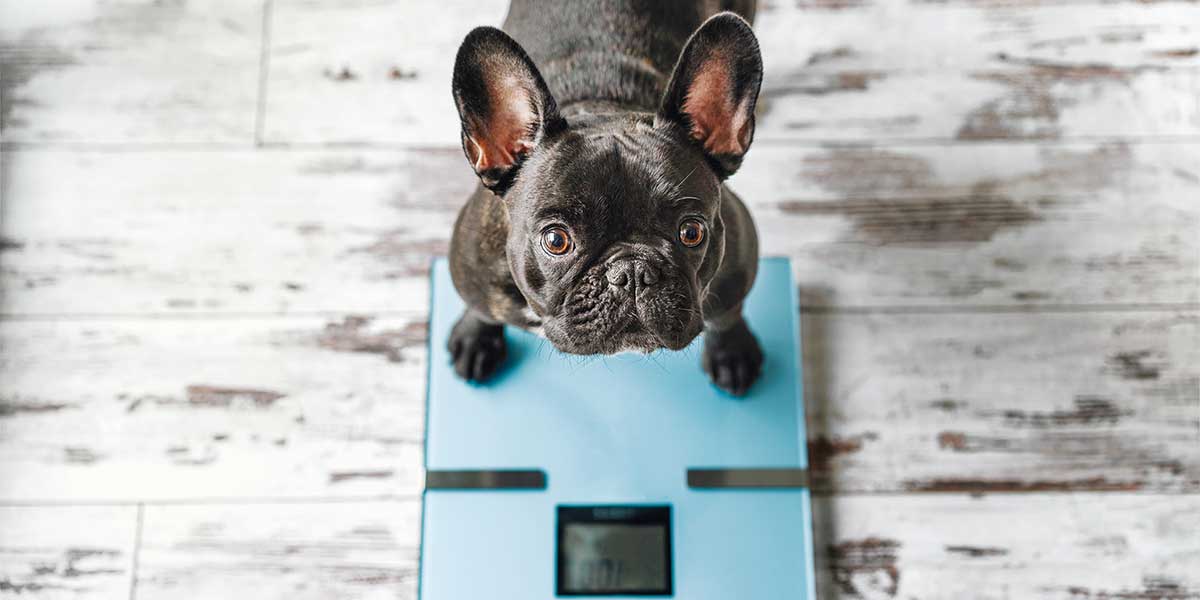
Whether you bring your pet to an animal hospital in New York or your hometown, one of the first things technicians check is the animal’s weight. Obesity is a major concern for many dogs, so their owners should take steps to help them get healthier. Learn how to help a dog lose weight with tips from our experts at Hudson Animal Hospital.
Recognize the Health Risks Facing Overweight Canines
According to the Association for Pet Obesity Prevention, over 50% of dogs in the U.S. are overweight. Carrying one or two extra pounds might not seem like a big deal, but owners must be aware of the risks of pet obesity. Dogs who exceed the healthy weight threshold for their breed are more likely to develop health problems like:
- Heart disease
- Type II diabetes
- Arthritis
- Hypertension
When a dog’s health begins to suffer because of its weight, it may have a shorter lifespan. Act fast if your pup appears to be overweight. Ask your veterinarian for obesity management tips to bring your pet down to an ideal size and make them healthier.
Six Tips for Helping Dogs Lose Weight Safely
When you want to drop a few pounds, doctors recommend adjusting your diet and physical activity levels. Animals can shed excess weight the same way, but they’ll need some help from their owners. Here’s how to help a dog lose weight with vet-approved tips and tricks.
1. Evaluate Their Nutritional Plan
Do you know exactly what you’re feeding your dog? Unless you prepare fresh meat or veggies for them every day, most owners can’t name most ingredients in their pet’s food. This could be contributing to your pooch’s weight problem.
Seek veterinary guidance before you make any dietary adjustments. A doctor can assess your pet’s current diet and determine its nutritional value. They may recommend switching them to a low-fat, high-fiber dog food.
2. Practice Portion Control
Weight management isn’t just about what your dog eats but how much they consume. If you’re wondering how to help a dog lose weight, you’ll have to limit their calorie intake.
Portion control is key. Give your dog the recommended serving of food based on its size. If they’re still putting on pounds at this serving, reduce it by about 15%.
3. Make Meal Time More Challenging
Your furry friend might scarf down their dinner and then immediately be ready for a nap. This doesn’t exactly help them slim down. Consider serving their food in an interactive bowl.
These feeders act as a puzzle and promote slower eating, ultimately helping dogs feel fuller longer. Rather than eating their dinner in two minutes and then begging for treats, your dog could be preoccupied for much longer trying to get all the food out of the bowl.
Another option is to move their food bowl to a different spot in the house. Their nose will guide the way and lead them to the bowl. By doing this, the animal will be more active and burn extra calories.
4. Adjust How You Reward Your Dog
Many dogs enjoy their designated meals and snack on treats throughout the day. Do you always hold out a small treat when they go outside and allow others to give treats whenever they visit? Even letting your dog lick your plate or nibble on table scraps impacts their health.
The calories from these snacks and rewards add up quickly. Before you know it, your pooch is heavier, and you find yourself wondering how to help a dog lose weight.
A simple solution is to cut back on their treats. This doesn’t mean you can’t still reward them for good behavior or show how much you love them. Consider the following alternatives:
- Rub their belly
- Scratch their head
- Give verbal praise
5. Manage Begging Behaviors
When your four-legged friend starts whimpering near their food bowl or pawing at your leg as you eat, it’s tempting to give them a quick treat. However, enabling begging behavior teaches the dog that they’ll earn food if they continue to act this way.
Nip it in the bud by offering them a fresh bowl of water. Drinking can help them stay hydrated and curb any hunger.
What you perceive as begging for food could also be them seeking attention. Give them pets, praise, and playtime. You’ll discourage weight gain and strengthen your bond by doing this.
6. Ensure They Get Plenty of Exercise
Eating less can help Fido slim down, but it’s not the only solution. Combine your dog’s diet with regular exercise to boost their health. Take them on daily walks and gradually increase the length of each stroll for effective weight loss.
Your pooch can also exercise by playing fetch in a local park, going for a swim, or playing with other pups. Even playing tug-of-war in your living room can help them get rid of excess energy and promote a healthier lifestyle.
Monitor the Dog’s Progress With Routine Check-Ups
A veterinarian can do more than explain how to help a dog lose weight. They will also let you know if your efforts are successful. Visit your local veterinary clinic regularly so the doctor can measure your pet’s progress.
Weigh-ins at every appointment determine how close your pet is to reaching a healthy weight. Experts may recommend a new diet plan depending on how your dog responds to the changes. For example, if high-fiber food causes more digestive issues, your vet might suggest reducing the dog’s fiber intake.
Boost Your Pup’s Health With Hudson Animal Hospital
At Hudson Animal Hospital, we advise many pet owners on how to help a dog lose weight. An animal’s body condition score is a key component in determining an unhealthy weight, either due to obesity or malnourishment. Let our veterinary team set your pet on the path to a healthier future.
To schedule an appointment with our passionate veterinary team, connect with us online or call us at 212-706-4088.