
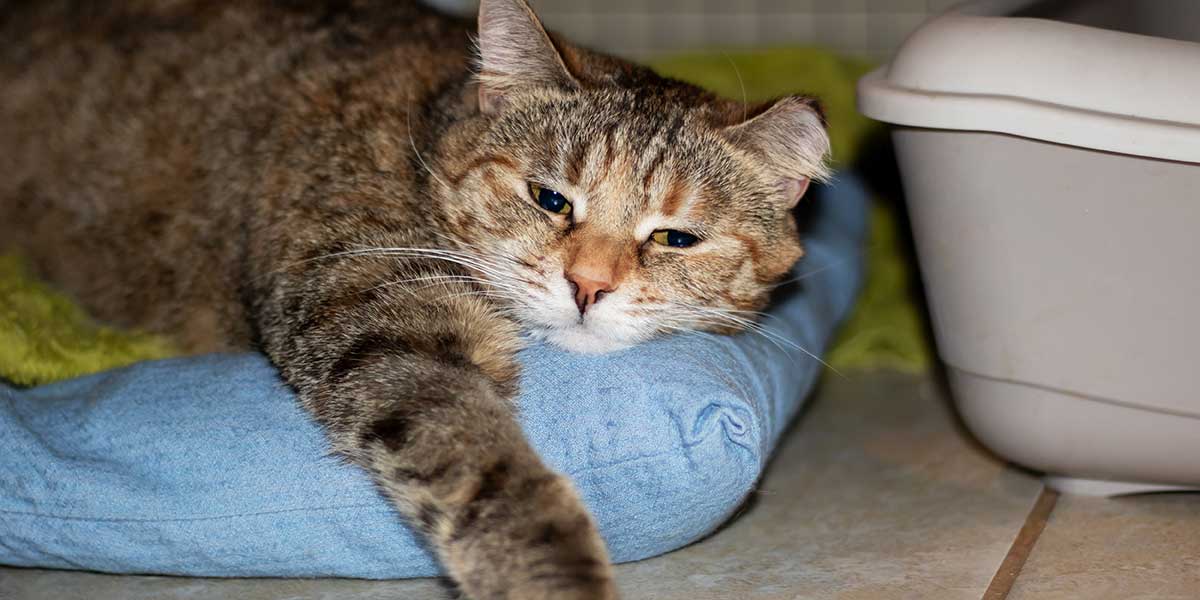
Changing your cat’s litter may not be the most pleasant experience, but it can give you helpful insights into their health. Take note if the litter box doesn’t contain any feces, as this may indicate a larger health concern. Find out what to do if your cat is constipated so their bathroom habits improve and they feel their best.
Proper Cat Care Tips From a Vet on the Upper West Side
Cat owners often develop strong bonds with their four-legged friends. A cat can be a loving companion for up to 20 years or more, depending on their overall health. If you want your cat to live a long, healthy life, consider these tips from a trusted vet on the Upper West Side of New York.
Pay attention to the animal’s litter box habits. This is one of the best ways to identify potential problems with their urinary or digestive tract. For example, if you spot bloody stools in the litter or notice that your cat has trouble reaching the box, take them to a vet for a complete health examination.
Feed them a healthy diet and make sure they always have access to fresh water. Encourage them to exercise by using laser pointers or other common cat toys.
Watch for the Signs of a Constipated Cat
Before we reveal what to do if your cat is constipated, it’s important to recognize the signs and symptoms of this common condition. Monitor your cat’s behavior and be on the lookout for the following issues:
- Frequent trips to the litter box: Felines may have an increased urge to make a bowel movement, which causes them to spend more time in the litter box.
- No feces in litter: Despite their increased trips, the litter box may not contain any feces, which is a telltale sign of constipation in cats.
- Lethargy: A cat may have little energy or interest in others when they feel uncomfortable due to constipation.
- Vomiting: In some cases, constipated cats could throw up after eating. Until they can empty their bowels, they may feel extra full after eating and have an upset stomach as a result.
Common Reasons Cats Become Constipated
If you ask a veterinarian what to do if your cat is constipated, they’ll tell you that the answer depends on the cause. Felines may have trouble defecating for the following issues:
- Lack of fiber or water in their diet
- Persistent grooming that puts more hair in their digestive tract
- Kidney disease
- Tumors
- Allergies
- Stress or anxiety
Serious concerns like a blocked colon, inflammatory bowel disease, or certain types of cancer can also be the cause of your cat’s digestive problems. Consult an expert to receive a formal diagnosis.
Are There Home Remedies for Cat Constipation?
Relieving constipation in cats doesn’t have to be difficult, depending on the causes. For cats with mild constipation, owners should try a few at-home remedies before seeking veterinary care. Here’s what to do if your cat is constipated:
- Increase their water intake: Make sure your cat always has access to fresh water. If you only feed them dry food, incorporate some wet food into their diet.
- Adjust their diet: Review the nutritional value of your pet’s food. Try giving them meals with more fiber to promote regular bowel movements.
- Provide a comforting, safe space: Anxiety-induced constipation is best treated by adapting the cat’s environment. Create a safe space in your home for them to relax, and give them plenty of care and affection to reduce their stress level.
Some felines won’t respond to these measures and require immediate veterinary care. For example, if you find blood in a cat’s stool while cleaning the litter box, consult a professional about diagnosis and treatment.
Vet care for constipated cats may include administering laxatives, treating kidney issues, and removing obstructions to the colon. Don’t delay professional veterinary care if your cat doesn’t respond to at-home remedies or if their symptoms worsen.
Let Hudson Animal Hospital Care for Your Kitty
Now that you know what to do if your cat is constipated, you can hopefully resolve the issue quickly. If home remedies aren’t doing the trick, a serious condition like cancer or bowel disease may be the cause of their pain. Bring your feline to Hudson Animal Hospital for the highest level of veterinary care.
We treat a wide range of health issues impacting cats, including the underlying causes of constipation. Call (212) 706-4088 to schedule an appointment for a veterinary checkup.